What happened
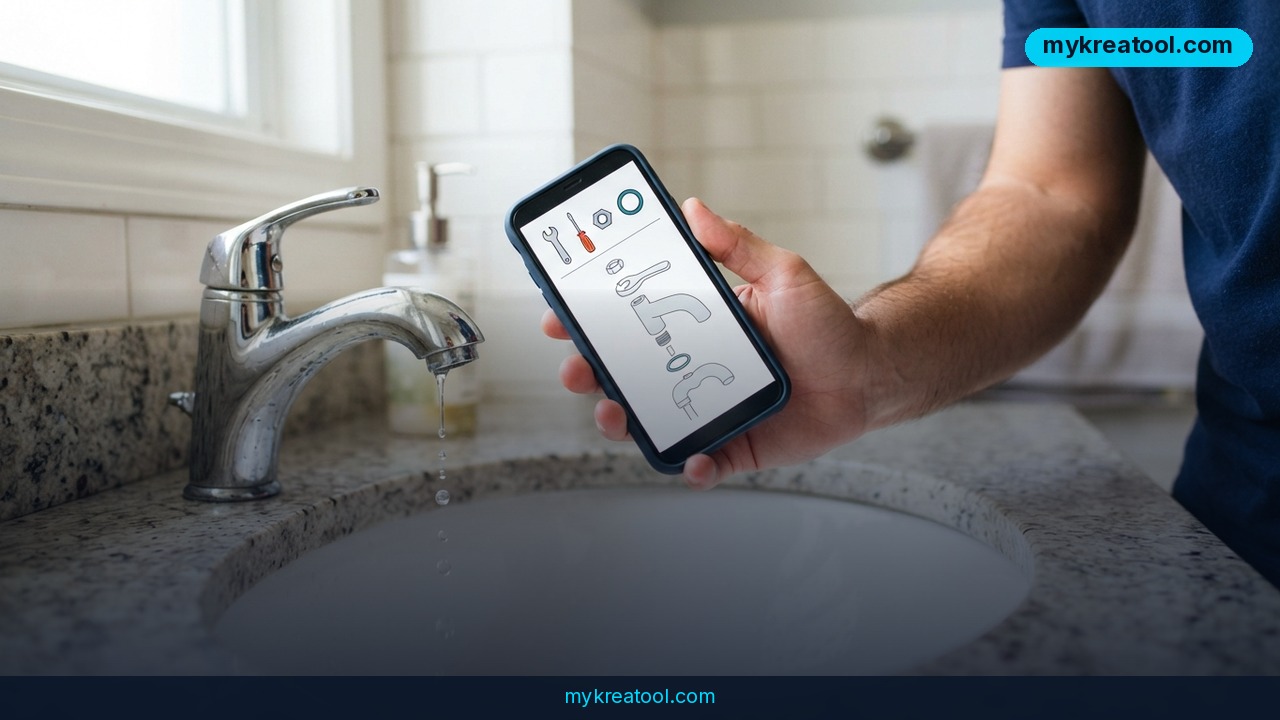
A simple ChatGPT home repair trick is making the rounds online: snap one photo of whatever's broken in your house, paste it into a chat along with a specific prompt, and get a plain-English diagnosis of what's wrong, what it'll cost to fix, and whether you should grab a wrench or call a professional. The idea comes from ChatGPT's vision feature (officially called GPT-4V), which has let the AI read and describe images since September 2023. Instead of describing your leaky faucet in words and hoping the AI guesses right, you just show it a picture.
The method circulating online breaks the process into seven prompts, used one after another in the same conversation: a diagnosis step, a shopping list, step-by-step repair instructions, an after-the-fix check, a 'is this quote fair' check, a landlord note template, and a prevention tip for the future. It's less a single trick and more a mini repair workflow you run entirely inside a chat window.
What it means for you
At home: the dripping tap you've been ignoring
You take a photo of the cabinet under your sink, upload it, and ask for a diagnosis. ChatGPT tells you it's likely a worn washer or a loose compression fitting, estimates it's a 20-minute fix, and lists the exact parts to ask for at the hardware store — down to sizes. No more standing in the plumbing aisle looking lost.
At work: maintenance requests that make sense
If you manage an office or a small retail space, you can photograph a broken light fixture or a cracked floor tile, run it through the same prompts, and forward a clear, non-technical summary to whoever's handling repairs — saving back-and-forth emails trying to explain what's wrong.
As a landlord or tenant
The built-in 'landlord note' prompt writes a short, polite message describing the issue, why it matters, and a reasonable timeline to fix it — photo attached. That's genuinely useful if you've ever struggled to phrase a maintenance request without sounding either too soft or too demanding.
For side income or small business
Handymen and property managers juggling several jobs a day could use this to triage requests quickly: a quick photo-based pre-assessment before even visiting the site, which helps them quote more accurately and avoid wasted trips.
For students and first-time renters
Anyone living away from home for the first time — without a parent to call — gets a patient, judgment-free walkthrough of basic fixes, plus a warning system that flags anything involving gas, mains electricity, or structural damage before they touch it.
For creative or DIY projects
The same photo-plus-prompt approach works beyond repairs too — people are using it to get redesign ideas for a room or furniture upcycling suggestions, treating ChatGPT like a visual brainstorming partner rather than just a fix-it tool.
How to try it right now
You don't need a paid plan or special software — just a smartphone and a free ChatGPT account.
1. Open ChatGPT on your phone or browser — the free tier already includes image upload and vision capability.
2. Take a clear photo of the broken item. Independent testing suggests one photo often isn't quite enough for an accurate read — a wide shot showing context plus a close-up of the damaged part gives far better results.
3. Upload both images and start with the diagnosis prompt: ask what it likely is, what caused it, and whether it's a 10-minute fix, a weekend project, or a job for a licensed pro. Make sure to ask it to flag anything involving gas, electricity, or structural elements first — and to stop there if so.
4. Once you have a diagnosis, ask for a shopping list: parts, tools, sizes, and a rough price, named the way a hardware store clerk would recognize them.
5. Work through the fix one step at a time, telling ChatGPT "done" after each step so it doesn't dump everything on you at once. Ask it where people usually mess this step up — that one question alone can save you a redo.
6. After finishing, send a new photo and ask what to check over the next 24 hours, and what signs would mean the fix didn't actually hold.
7. If you've already gotten a quote from a tradesperson, paste it in and ask whether the price looks reasonable for your area, plus three smart questions to ask them before you agree.
If you want to experiment with AI tools beyond repairs — image editors, text generators, or other quick utilities — mykreatool.com has a set of free AI tools worth bookmarking for everyday tasks like this.
Upsides and what changes
The appeal here is speed and confidence. Instead of scrolling through five different YouTube videos hoping one matches your exact situation, you get a tailored answer based on your actual photo. The shopping list prompt alone solves a real pain point — not knowing what to call a part at the store is one of the most common reasons DIY trips turn into wasted afternoons. The built-in safety check (flagging gas, electrical, or structural issues before giving advice) is a genuinely sensible guardrail, and the 'is this quote fair' prompt gives people without trade knowledge a way to push back on inflated estimates with informed questions instead of guesswork.
Limitations
This isn't a substitute for professional judgment, and it's worth being honest about that. A single photo can be genuinely hard for any AI to interpret correctly — lighting, angle, and image quality all affect accuracy, which is why sources recommend sending multiple photos (a wide shot plus close-ups) along with written detail rather than relying on one image alone, as explained in guides like this one on photo prompting. ChatGPT itself can misread images or produce confident-sounding but wrong answers — a known issue sometimes called 'hallucination,' similar to patterns researchers have studied in other image-analysis contexts such as medical imaging interpretation and reviewed in academic research on AI image analysis. Anything involving gas lines, mains electrical wiring, or load-bearing structures should always go to a licensed professional, no matter how clear the AI's explanation sounds.
Conclusion
Your action for today: pick one small broken thing in your home — a wobbly cabinet hinge, a running toilet, a cracked tile — take two photos (one wide, one close-up), and run them through the diagnosis prompt in ChatGPT. Worst case, you learn it's a job for a pro and save yourself a failed repair attempt. Best case, you fix it yourself in twenty minutes and never have to look up 'what's this part called' again.
Comments 0