What Happened
AI content editing is turning into one of the fastest-growing freelance categories anywhere. On Freelancer.com, a platform with more than 88 million registered users, job postings tagged "correct AI errors" grew 87% in a single year. Upwork saw a 70% jump in similar listings. On Fiverr, demand for AI cleanup work has grown 20-fold over the past three years, according to reporting on the trend.
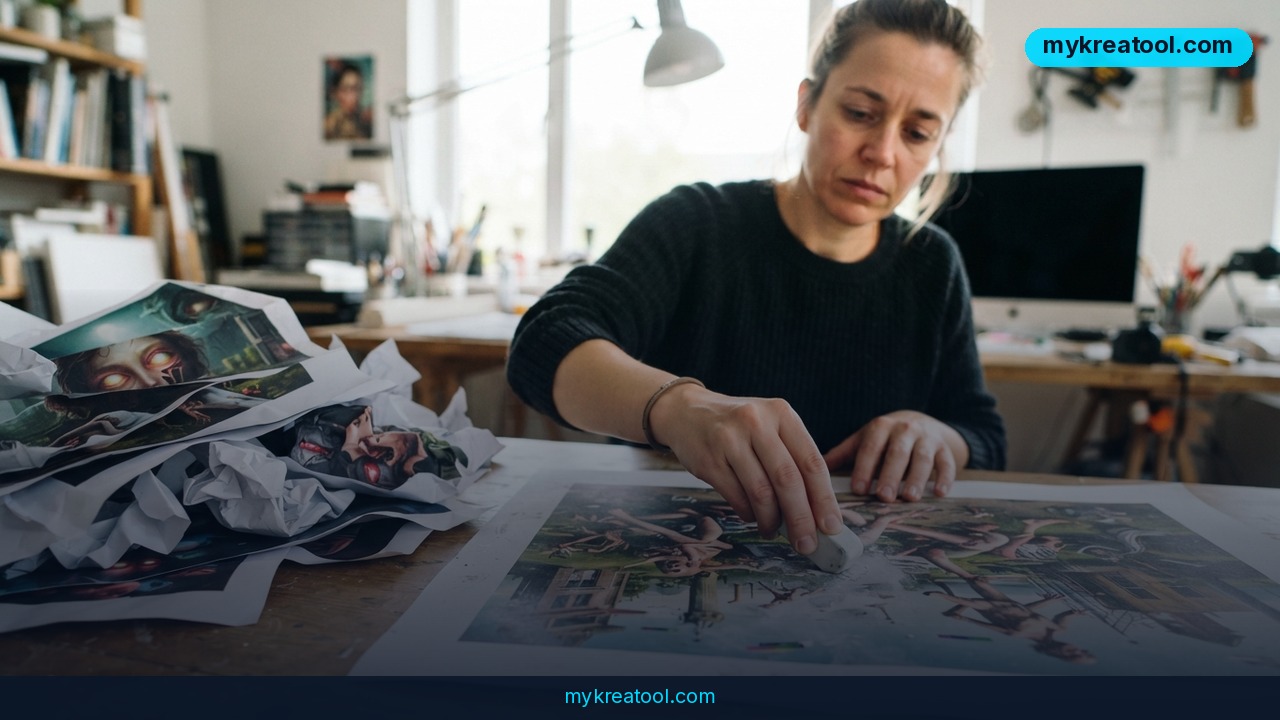
The short version: companies generate content with ChatGPT, Midjourney, or similar tools, then hire a human to make it usable. That's the whole job. Not writing from scratch, not designing from a blank canvas — fixing what the machine already produced.
Why This Is Happening Now
AI tools got cheap and fast, but they didn't get reliable. A blog post drafted by an AI model still needs someone to check facts, smooth out the robotic phrasing, and make sure it doesn't repeat itself. A logo generated by an image model often has warped text or an odd color clash. A video assembled by an AI editor might cut at the wrong beat or misjudge pacing. None of that gets sorted out by the AI itself — a person has to step in.
Freelancer.com CEO Matt Barrie put it plainly: "AI output needs a human to turn it into something polished that can actually be used." At the same time, researchers tracking freelance categories note a decline in demand for the traditional, from-scratch versions of these same jobs — the ones AI can now attempt on its own, even if badly. Independent coverage of the shift, including analysis of the new freelance market it's created and academic research on the pattern, confirms both trends are showing up across multiple platforms, not just one.
The people hiring for this work tend to be small businesses and solo entrepreneurs. They can't polish AI output themselves, but they've decided it's faster and cheaper to pay someone $20 to fix a draft than to pay someone $200 to write one from zero. Whether that math actually holds up is a separate question — and freelancers are already pushing back on it.
What It Means for You
This isn't an abstract industry shift. It changes what's worth your time in very concrete ways, depending on which hat you're wearing.
At Home
If you've ever asked an AI chatbot to draft a birthday toast, a resignation letter, or a school project outline, you've probably noticed it sounds a little off — too formal, too repetitive, or just not like you. The same editing instinct that freelancers are now getting paid for is one you can use for free on your own writing: read the AI draft out loud, cut anything that sounds stiff, and swap generic phrases for ones you'd actually say.
At Work
If your job involves writing reports, emails, or internal documents, you're probably already doing unpaid AI cleanup without calling it that. Recognizing it as a skill — not just "proofreading" — means you can name it on a resume or ask for it to be factored into your workload. Companies are now willing to pay specifically for this.
Running a Business
If you outsource content, marketing copy, or product descriptions to AI to save money, budget for a cleanup pass before anything goes public. A single unedited, obviously AI-written page can hurt a brand's credibility more than the cost of a $30 editing gig would ever justify.
As a Student
Using AI to draft an essay outline and then editing it yourself is a faster way to learn structure and argument than staring at a blank page. Just be honest with instructors about where AI assistance starts and stops — most schools have specific policies on this now.
As a Creator
If you make videos, thumbnails, or graphics, AI tools can now generate a rough first pass in seconds. The creative decisions — pacing, color, tone, what to cut — are still yours to make, and that's exactly the part clients are paying humans to handle.
For Your Income
If you freelance or want to start, "AI editor" is a real, growing gig category right now — for writing, proofreading, graphic design, and video editing. It's worth listing as a specific skill on Fiverr, Upwork, or Freelancer.com profiles, separate from "content writer" or "designer."
How to Try It Right Now
You don't need a client or a platform account to see what AI cleanup work actually involves. Try it on your own writing first.
1. Start free. Paste a rough draft — an email, a caption, a short blog paragraph — into mykreatool.com, a free set of AI writing and editing tools. Use it to generate a first draft, then read it critically instead of accepting it as final.
2. Edit like a human, not a spell-checker. Look for repeated sentence structures, overly generic phrases ("in today's fast-paced world"), and claims that sound confident but aren't actually backed by anything. AI models are prone to all three.
3. Read it out loud. If a sentence would sound strange coming out of your mouth in conversation, rewrite it. This single step catches most of what makes AI text feel robotic.
4. Fact-check anything specific. Names, dates, statistics, and quotes generated by AI need independent verification before they go anywhere public.
5. If you want to freelance at it, search "AI editing," "AI content cleanup," or "fix AI text" on Fiverr, Upwork, or Freelancer.com to see current listings, rates, and what clients are actually asking for.
Upsides and What Changes
For freelancers, this is a genuinely new entry point. Editing doesn't require the same portfolio-building time that from-scratch creative work does, which makes it more accessible to people starting out. For businesses, it's a way to get content published faster without sacrificing all quality control. And for the freelance platforms themselves, it's a new, fast-growing category to build tools and pricing around — Fiverr's 20-fold increase in three years shows how quickly this segment can scale.
The bigger shift is in what "content creation" means as a job. It's moving from pure generation toward curation and judgment — knowing what's wrong with a draft and how to fix it matters more than being able to produce one from nothing.
Limitations
The catch, and freelancers on these platforms are already saying it out loud, is that cleaning up AI slop often takes just as much time and effort as writing something from scratch — sometimes more, since you're untangling someone else's logic instead of building your own. Clients frequently expect cleanup work to be quick and cheap simply because the first draft was fast to generate, which doesn't match the actual effort involved. That mismatch is already showing up as burnout and falling income among freelancers who take on this work, according to the same freelance-platform data. If you're hiring for this, price it like real editing work, not a quick fix.
Conclusion
AI cleanup is now a real, measurable freelance category — 87% growth on Freelancer.com, 70% on Upwork, and a 20-fold jump on Fiverr in three years. Whether you're a business owner, a freelancer, or just someone who uses AI for everyday writing, the skill that's actually in demand isn't prompting — it's editing. Today's action: take one piece of AI-generated text you're about to use — an email, a post, a product description — and give it one honest editing pass before it goes out.

Comments 0