What happened
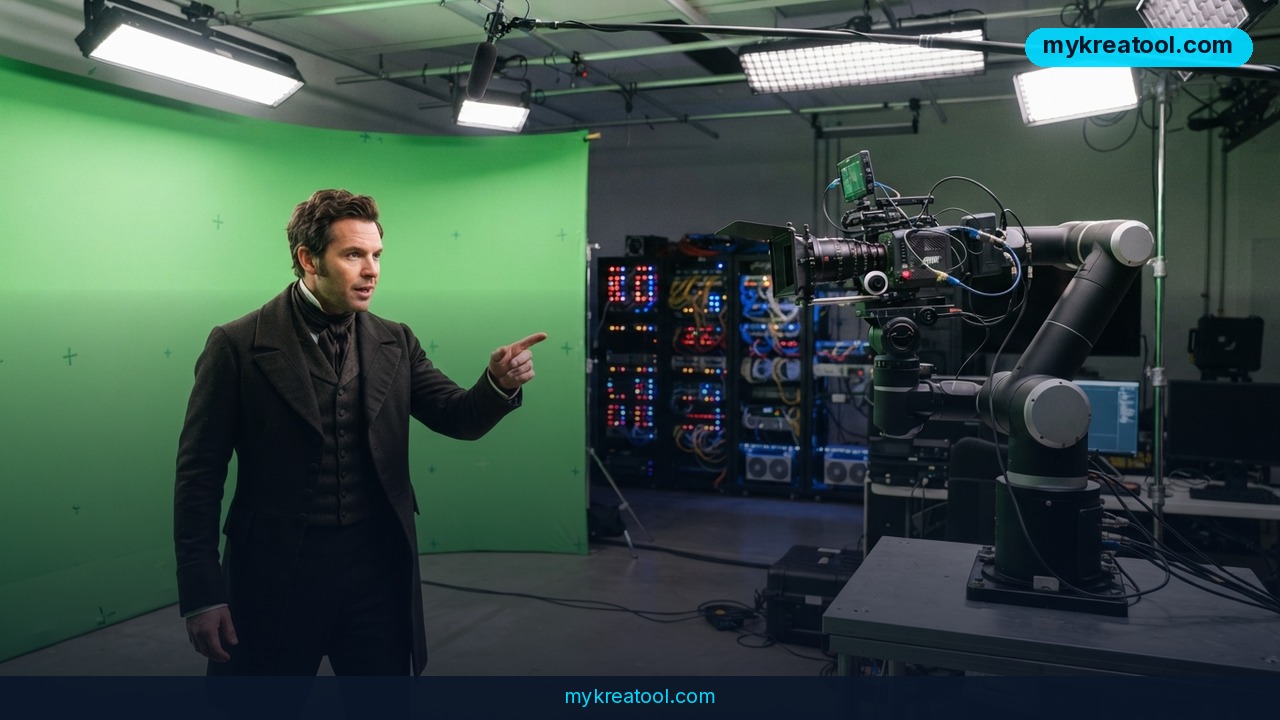
ByteDance, the company behind TikTok, has launched Dramagic, an AI video platform built specifically for producing short dramas — the addictive, bite-sized vertical mini-series that dominate short-video apps in China and are creeping into Western feeds. Announced on September 21, 2026, Dramagic handles the entire production pipeline in one place: it reads and analyzes a script, generates consistent character designs, builds a storyboard (a shot-by-shot visual outline, basically a comic-strip version of your script), and renders video previews you can watch before committing to full production. Multiple people can work on the same project at once, and built-in consistency checks catch the kind of thing that usually wrecks AI video — a character's face, outfit, or hairstyle randomly changing between scenes. Dramagic isn't a consumer app you just download and open; it's sold as an enterprise product through BytePlus, ByteDance's business platform, so studios and production companies have to request access rather than sign up with a credit card.
The timing tracks with a much bigger shift already underway. According to the China Netcasting Services Association, about 128,000 short dramas were published in China in the first quarter of 2026 alone — three times the total output for all of the previous year. Roughly 95% of those were AI-generated, not shot with cameras, sets, and actors in the traditional sense. Tsinghua University professor Shen Yang puts the cost of AI-made video at $90 to $120 per finished minute, about a tenth of what traditional short-drama production costs. The industry still employs around 690,000 people directly, but the transition has an ugly edge: some performers report being asked to hand over their voice and likeness for AI tools to reuse, shortly before being laid off.
What it means for you
Home and everyday life
You don't need a film crew to make something watchable anymore. A parent could turn a bedtime story into a short animated episode for their kid, or a family could recreate a vacation as a mini drama instead of a slideshow nobody watches twice.
At work
If your job touches marketing, training, or internal comms, tools like this collapse a process that used to need a scriptwriter, a storyboard artist, and an editor into one workflow. Explainer videos, onboarding skits, and product demos get cheaper and faster to produce.
Running a business
Small businesses that could never afford video ads now have a shot. A $100-a-minute price point (roughly what Shen Yang cites for AI video generally) puts a 60-second promotional drama within reach of a local shop, not just a national brand with an agency on retainer.
Studying and learning
Students and teachers can turn a history lesson, a language exercise, or a science concept into a short narrative video instead of a text slide. Seeing a scene played out sticks better than reading a paragraph, and it no longer requires production skills to make.
Creative projects
Writers who've never touched a camera can finally see their scripts performed. You write the dialogue, the platform builds the visuals and characters, and you get a rough cut to react to and revise — much closer to how a director works than how a novelist works.
A new income angle
Short dramas are already a real market: 128,000 published in China in three months, most of them AI-made. Freelancers who can write tight, hook-driven scripts — the actual bottleneck once video generation gets this cheap — have a new service to sell, even without acting or filming skills.
How to try it right now
Dramagic itself is gated behind an access request, so it's not something you try on a whim this afternoon. Here's the realistic path:
1. Start free, right now. Before requesting enterprise access to anything, get a feel for AI script-to-video workflows using free tools — mykreatool.com has no-cost AI tools for scripts, image generation, and short video, so you can test the concept (write a scene, generate visuals, rough-cut a preview) without spending anything or waiting on approval.
2. Write a tight script. Short dramas live or die on the hook in the first ten seconds. Draft a logline and a short scene before you touch any tool — the AI builds on what you give it, it doesn't invent a good story for you.
3. Request access to Dramagic through BytePlus, ByteDance's enterprise platform, if you're a studio, agency, or production team evaluating it for real output. This is a business request, not a signup form — expect it to be reviewed.
4. Once in, upload the script and let the platform generate characters, a storyboard, and a video preview. Invite collaborators to work on the same project simultaneously and use the consistency checks to catch mismatched characters before you render final cuts.
5. Review and iterate on the preview before committing to a full render — that's the whole point of the storyboard-and-preview step, so use it instead of rendering blind.
Upsides and what changes
The honest upside is cost and speed: a tenth of traditional production cost and a pipeline that used to take a team of specialists now runs through one platform. That opens short-form video to people and businesses who were priced out before — small shops, solo creators, teachers, students. It also shifts what's valuable: camera and editing skills matter less, while writing a script that actually holds attention matters more, since that's the one part the AI still can't invent from nothing.
Limitations
This isn't a free, open tool — it's gated behind BytePlus enterprise access, so most individual creators can't just log in and use it today, and pricing beyond the industry's general $90–$120-per-minute estimate hasn't been published. The consistency checks help but don't eliminate AI video's usual glitches (odd hands, warped backgrounds, off-model faces in busy scenes). And the labor story behind the numbers is genuinely bad: performers being pressured to license their voice and likeness before losing their jobs is a real cost of this shift, not a hypothetical one, and it's worth knowing that before treating $100-a-minute video as an unqualified win.
Conclusion
Dramagic is ByteDance betting that short-drama production becomes a software category, not a film-crew category — and the China numbers (128,000 dramas in one quarter, 95% AI-made) suggest that bet is already paying off there. You don't need BytePlus access to test the idea yourself: today, write a 30-second script and turn it into a scene using a free AI video tool like the ones at mykreatool.com, and see for yourself how much of the process a machine can now carry.

Comments 0