What happened
On September 8, 2026, OpenAI released ChatGPT Images 2.5, a major upgrade to the image generator built into ChatGPT. It's already live for regular ChatGPT users, ChatGPT Work (the business plan), and Codex users, and OpenAI also shipped two new models for developers who build their own apps on top of the API.
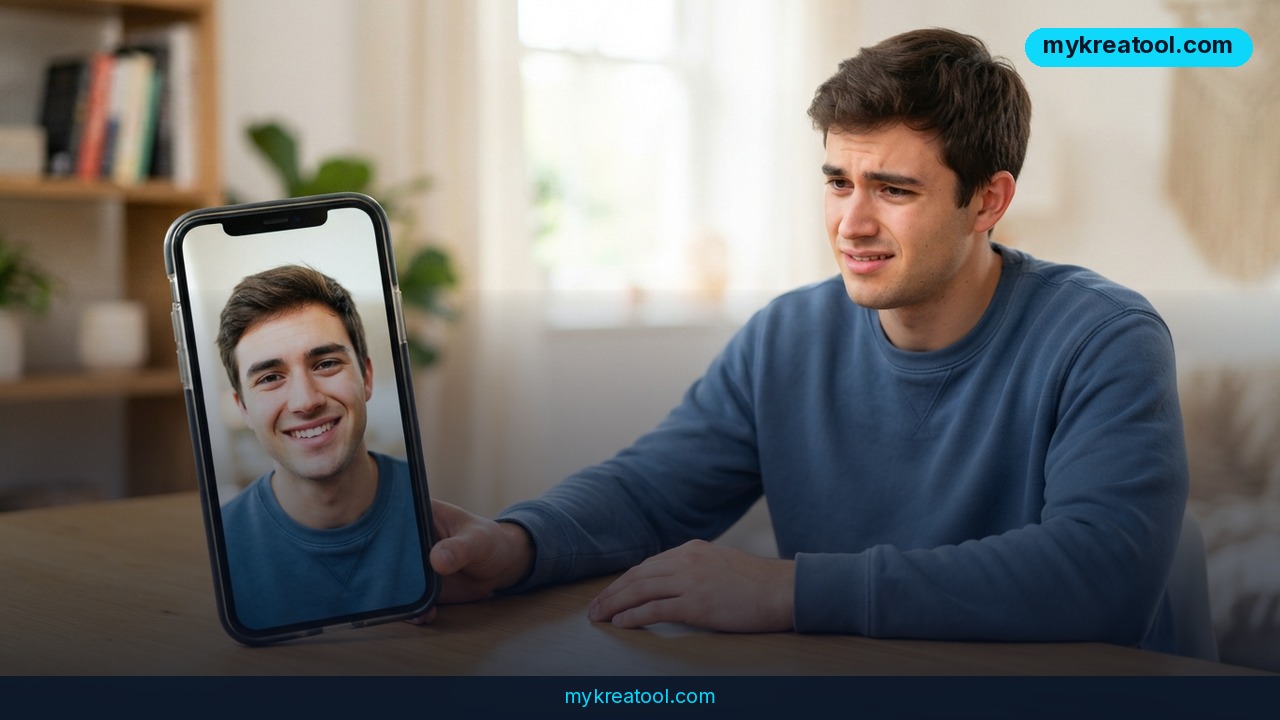
The headline change is sharper detail and far more precise editing. Earlier versions of ChatGPT's image tool were good at generating a picture from scratch but clumsy at editing one — ask it to "just change the shirt color" and it might redraw the whole face. According to OpenAI and outlets that tested the release, including 9to5Mac and Unite.AI, version 2.5 fixes that: edits now stay contained to the part of the image you actually asked to change, and the output looks noticeably crisper — less of that waxy, over-smoothed "AI look." The update also adds a sketch-to-image mode, letting you turn a rough doodle into a finished, photorealistic image, as reported by AI Weekly.
The blunt takeaway making the rounds online: photos are no longer reliable proof that something happened. If a tool this widely available can produce a convincing, high-detail photo of anything you describe, "I saw a picture of it" stops being evidence on its own.
What it means for you
At home
Want a fake vacation photo to prank a friend, or a realistic "what would our living room look like painted green" mockup before you buy paint? Both are now a text prompt away, with results clean enough to pass a casual glance.
At work
Marketing and social teams can produce product shots, mockups, and ad variations in minutes instead of booking a photographer. Because editing is now precise, you can ask for one small change — swap a background, adjust lighting, remove an object — without redoing the whole image.
Running a business
Small businesses without a design budget can generate professional-looking product photography, packaging mockups, and social media visuals directly from a description. That's real money saved on stock photos and freelance designers for routine visual content.
Studying
Students and teachers can turn a sketch or diagram into a polished illustration for a presentation, or generate visual aids for concepts that are hard to photograph — historical scenes, scientific processes, anatomy.
Creativity
Artists and hobbyists get a genuine sketch-to-image feature: draw a rough shape, describe what it should become, and get a refined version back. It's less "AI replacing art" and more a faster way to test an idea before committing to it by hand.
Income
Freelancers on platforms like Fiverr or Etsy who sell custom illustrations, thumbnails, or mockups can turn around client requests faster and take on more orders, since detailed edits no longer require redrawing the whole image.
How to try it right now
1. Free option first: Go to chatgpt.com, sign up or log in with a free account, and simply type an image request — for example, "a photorealistic golden retriever wearing sunglasses on a beach." Free accounts get limited image generations per day, but you can test ChatGPT Images 2.5 at no cost.
2. For more generations and priority access, upgrade to ChatGPT Plus or Work, which OpenAI confirmed get the new model first.
3. To edit an existing photo, upload it in the chat and describe exactly what should change — "replace the sky with a sunset, keep everything else the same." That's the part that's genuinely more reliable now.
4. For a completely free, no-signup alternative to test simpler AI image generation before committing to a ChatGPT account, tools like the ones listed on mykreatool.com are worth a look — useful if you just need a quick one-off image without creating yet another login.
5. Developers building their own product can access the two new API models OpenAI released alongside this update through the standard OpenAI API dashboard.
Upsides and what changes
The practical upside is speed and cost: what used to require a camera, a designer, or a stock photo subscription can now be a 30-second prompt. Precise editing means fewer wasted attempts — you describe one change and get one change, not a regenerated image with new random flaws. For businesses, that turns image creation from a bottleneck into something almost anyone on the team can do.
The flip side is trust. When a tool this capable is available to anyone with a free account, a convincing photo stops being reliable proof of anything on its own — a screenshot of a "receipt," a "photo" of an event, or a product image can now be fabricated with no visible seams.
Limitations
Don't expect perfection: outputs can still struggle with text inside images (signs, labels), hands and fine detail in complex scenes, and consistency across multiple generations of the "same" character or product. Free accounts are rate-limited, so heavy daily use still requires a paid plan, and OpenAI's usage policies restrict certain content categories (real public figures, misleading news-style imagery), so this isn't a tool for producing convincing fake documentation of real events — and using it that way can violate OpenAI's terms.
Conclusion
ChatGPT Images 2.5 is a real, verified release, live since September 8, 2026, and it meaningfully closes the gap between "AI-generated" and "just a photo." Today's action: open chatgpt.com and run one real edit on a photo you already have — swap a background or an object — and judge for yourself how clean the result is before you decide whether to trust the next "photo" you see online.
Comments 0