What happened
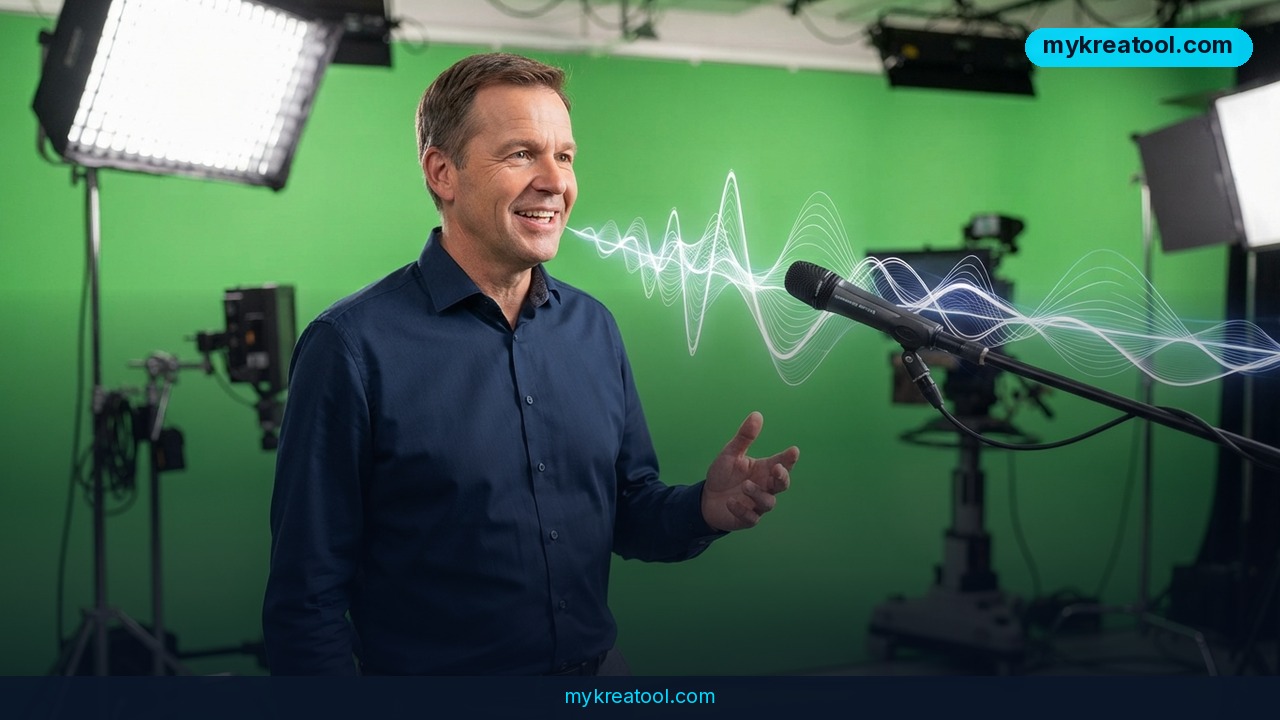
Black Forest Labs, the German AI lab behind the Flux image models, has released Flux 3, a multimodal foundation model that generates AI video with native audio for the first time in the company's history. Unlike earlier tools that bolted on sound after the fact, Flux 3 was trained on images, video, and audio simultaneously, so a generated clip's dialogue, footsteps, or ambient noise are produced as part of the same process as the visuals — not layered on top afterward.
The model can output clips up to 20 seconds long and supports text-to-video, image-to-video, video-to-video, keyframe-based transitions, multilingual dialogue, and agent-driven chaining of clips into longer multi-shot sequences. BFL says Flux 3 is particularly strong at rendering human facial expressions and syncing sound to physical events — a glass breaking, a door slamming, footsteps on gravel.
Early benchmark results
In internal tests using 10-second clips at 720p, BFL reports that human evaluators preferred Flux 3 over Luma Ray 3.2 in 93 percent of comparisons, over Runway Gen-4.5 in 77 percent, and over Grok Imagine Video in 69 percent. Against stronger rivals, the margin narrows: Flux 3 beat Kling v3 Pro 60 percent of the time, Happy Horse v1 at 59 percent, Happy Horse 1.1 at 57 percent, and both Seedance 2.0 and Gemini Omni Flash at 52 percent each — essentially a coin flip. BFL is upfront that these numbers are preliminary and self-reported, with no independent verification yet available.
Why it matters
Most AI video tools still treat sound as an afterthought: generate the picture, then add music, voice, or effects in a separate pass. Flux 3's approach — training one model on image, video, and audio together — is a bet that combining modalities produces a more coherent understanding of physical reality, not just better-looking clips.
BFL frames this as a step toward "real-world visual intelligence,": models that can perceive, predict, and act across both physical and digital environments. That framing puts Flux 3 in the same category as the broader industry push toward so-called world models, where the goal isn't just content generation but a working internal model of how objects, sounds, and actions relate to one another.
The practical payoff shows up two ways. First, native audio removes a production step: creators no longer need a separate sound-design or voiceover pass to get a usable clip. Second, BFL says the same shared representation is already improving image generation, especially for complex prompts and accurate multilingual text rendering — a Flux 3 Image model is due in early access within the next few weeks.
How to use it today
Flux 3 is rolling out through Black Forest Labs' existing channels, and BFL plans to open access to Flux 3 Image shortly. For now, most creators and marketers experimenting with AI video will want to test the format itself — short, sound-synced clips — before committing budget to a specific tool. If you want to prototype scripts, generate quick visuals, or test prompt ideas before jumping into a paid video model, a resource like mykreatool.com offers free AI tools that are useful for that kind of early-stage experimentation.
What to expect from a first test
When a native-audio model like Flux 3 becomes broadly available, expect the workflow to look like this: write a prompt describing both visuals and sound cues (dialogue, ambient noise, sound effects), generate a clip up to 20 seconds, then use keyframe transitions or clip-chaining to extend a sequence beyond that limit. Multilingual dialogue support means the same clip could plausibly be regenerated in different languages for localized marketing content.
Who benefits
Marketers and social media teams stand to gain the most in the short term: a 20-second clip with synced audio is close to ready-made short-form ad or social content, cutting out separate voiceover and sound-editing steps. Indie filmmakers and content creators get a faster way to prototype scenes with dialogue before committing to full production. Game studios and animators can use the model to test how dialogue and sound design might play against a visual concept early in development.
Beyond content creation, BFL's action component — built with Mimic Robotics as Flux-mimic — points to a different beneficiary entirely: robotics teams. Flux-mimic is a video-action model already being tested on production tasks at Audi, suggesting the same world-modeling approach used for video generation can extend to predicting and controlling physical actions in manufacturing settings.
Risks
The benchmark numbers come entirely from Black Forest Labs itself, with no independent replication so far — treat the 93 percent and 52 percent figures as directional rather than definitive. Against top-tier competitors like Seedance 2.0 and Gemini Omni Flash, Flux 3 wins barely more than half the time, meaning it isn't a clear leader across the board yet.
Native-audio video generation also raises the usual concerns around synthetic media: matching realistic dialogue to realistic faces makes convincing fake video and audio easier to produce, which raises the stakes for misinformation, impersonation, and consent issues. Businesses adopting the model for marketing or training content should also watch for likeness and voice-rights questions, since multilingual dialogue generation could touch talent agreements that weren't written with AI dubbing in mind.
Conclusion
Flux 3 marks a real step forward for AI video: native, synchronized audio in clips up to 20 seconds, trained jointly with image and video data rather than added afterward. Early benchmarks look strong against mid-tier competitors and roughly even against the best ones, though independent testing will be the real proof point. For entrepreneurs and creators, the near-term opportunity is faster, cheaper prototyping of short-form video with built-in sound — worth testing as access opens up over the coming weeks.

Comments 0