What happened
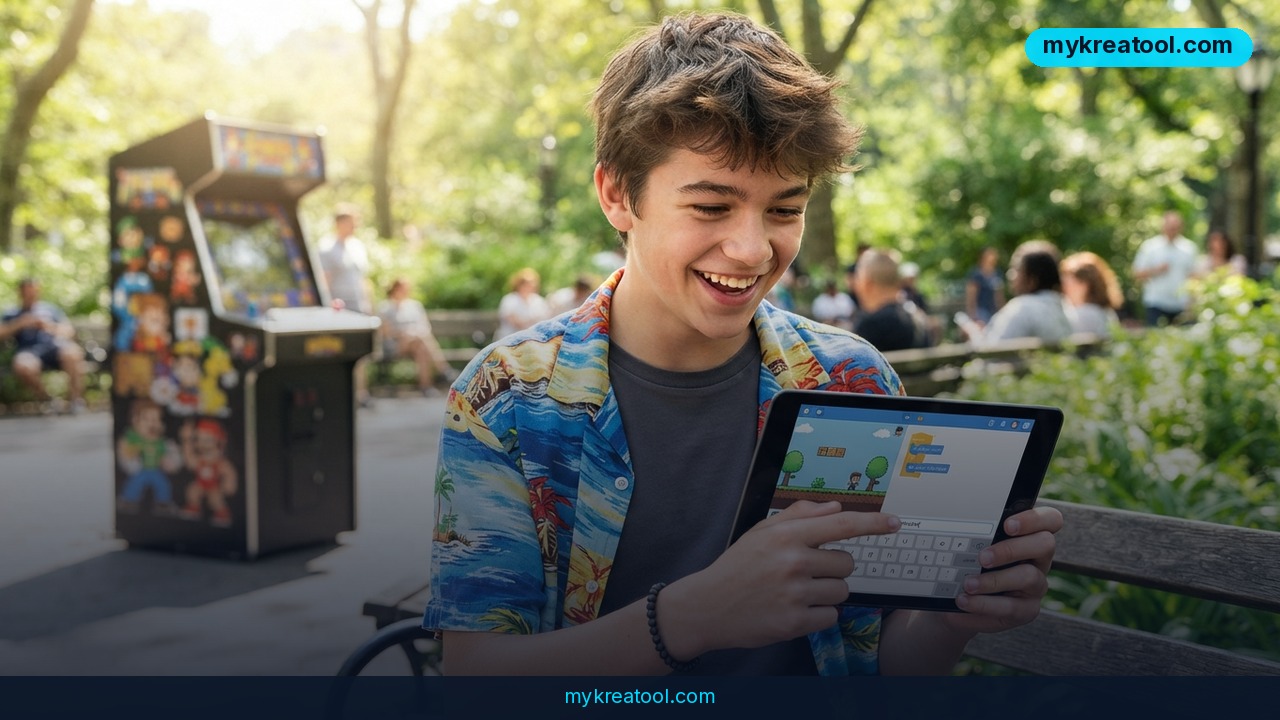
Google just rolled out a new AI game creator called Playground, and it's built for people who've never written a line of code in their life. Launched on Wednesday through Google Labs — the company's testing ground for experimental products — Playground lets you type out a description of the game you want, and the AI builds it for you, right in your browser.
Here's how it works in plain terms: you pick a genre (trivia, racing, whatever you're into), or you start from a blank slate. You choose whether you want a flat 2D game or a more immersive 3D one, and whether it's just you playing or friends too. Then you describe the mechanics, the look, the vibe — basically, you talk to it like you'd brief a game designer — and Playground generates a working game from that description.
You can even upload your own pictures or drawings, and the AI will turn them into game assets that match the style of your project. So if you sketch a character on paper, snap a photo, and upload it, Playground can reshape it into something that fits right into your game world.
Once a game is done, it runs on both phones and computers. You can keep it private, send a link to friends, or publish it to Playground's public Explore gallery for anyone to find and play. Published games can even include leaderboards, and you're free to keep tweaking them after release — nothing is locked in stone once it goes live.
Google also said Unity Spark integration is coming in a future update, which would hand Playground users access to more advanced 3D tools and what Google calls "professional-level" game mechanics — the kind of polish usually reserved for studios with real development budgets.
What it means for you
This isn't just a toy for hardcore gamers — it opens doors for regular people in a handful of situations.
At home
Want to make a quick trivia game for family game night based on inside jokes only your relatives would get? You can build that in an afternoon instead of hiring a developer or learning to code.
At work
Marketers and HR teams could use Playground to build a lightweight branded game — think a quiz or simple racing game tied to a product launch — without looping in an engineering team.
For small business
A café or boutique could create a browser-based loyalty game, letting customers play for a discount code, all without paying for custom software development.
For study
Teachers and students can turn dry material into a playable quiz or simulation. Instead of a flashcard app, imagine a 3D scavenger hunt that reinforces a history lesson.
For creativity
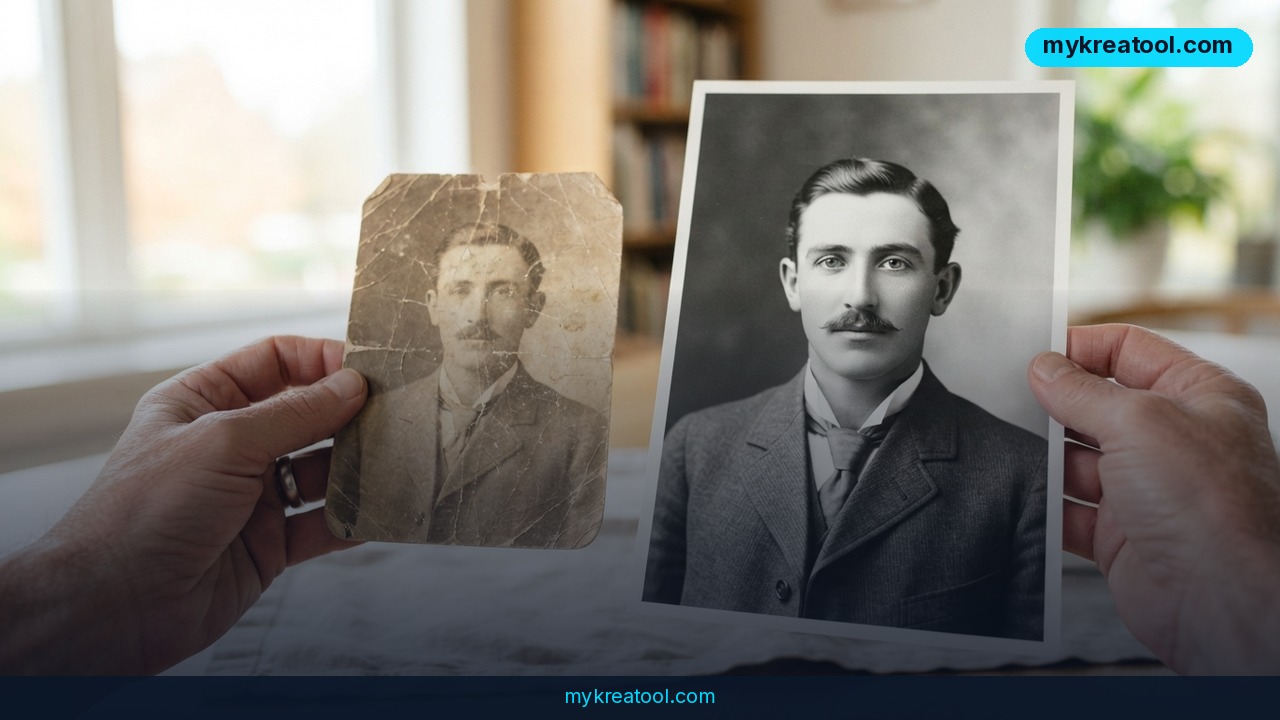
Hobbyist artists and writers can finally bring their characters and worlds to life as playable experiences, even if they've never touched a game engine. And if you want to polish your artwork or generate extra visual assets before uploading them into Playground, free resources like mykreatool.com can help you prep images without needing design software.
For income
Creators who build popular games in the Explore gallery could build an audience or portfolio that leads to freelance game-design gigs down the line, especially once Unity Spark adds more professional features.
How to try it right now
The good news: there's a free option, and it's straightforward to get started.
1. Open Google Playground through Google Labs and sign in with your Google account.
2. Confirm you're 18 or older and located in the U.S. — that's the only region where it's live right now, though Google says more countries are coming.
3. Choose a genre (trivia, racing, or start from scratch) and decide on 2D or 3D, single-player or multiplayer.
4. Type a description of your game — mechanics, story, visual style — the more specific, the better the result.
5. Optionally upload images you want turned into game assets.
6. Generate the game using your weekly token allowance (tokens are basically credits that get used up each time you generate content).
7. Test it, tweak the prompt if something's off, and publish privately, via link, or to the public Explore gallery once you're happy with it.
Browsing and playing games already in the catalog costs nothing. Making your own games draws from a weekly token budget — free users get a limited number of tokens, while Google One AI subscribers get a bigger allowance for more frequent creation.
Upsides and what changes
The biggest shift here is that making a game no longer requires years of learning to code, design characters, or script gameplay logic. Playground compresses what used to be a multi-person job — programmer, artist, designer — into a single conversation with an AI. That's a real change for solo creators, teachers, small businesses, and hobbyists who had an idea but no technical path to build it.
It also fits into a bigger trend: Roblox rolled out its own prompt-based Build feature back in July, and Google has been quietly building toward this for a while, having tested cloud gaming with Stadia back in 2022 and more recently adding instantly playable web games through YouTube Playables. Playground is Google's most ambitious step yet toward letting anyone, not just developers, create and publish games.
Limitations
To be fair, this is still an early-stage experiment, not a finished product. It's U.S.-only and restricted to users 18 and up for now, so plenty of people simply can't access it yet. The token system means free users will hit limits fast if they're generating a lot of content, and some of the more advanced features — like Unity Spark's professional-level mechanics — haven't even launched yet, so today's version is noticeably more basic than what Google is promising down the road. AI-generated games also won't match the polish of a studio-built title; expect something fun and functional, not AAA-quality.
Conclusion and one action for today
Google Playground is a real glimpse at where game-making is headed: a world where describing an idea in plain English is enough to build something playable. It won't replace professional studios, but it hands ordinary people — parents, teachers, small business owners, hobbyist artists — a genuine shortcut to turning an idea into a game. If you're in the U.S. and 18 or older, the simplest action today is to open Playground, pick a genre you already love, and try describing your dream game in one sentence. See what comes back — you might be surprised how close it gets.
Comments 0