What happened
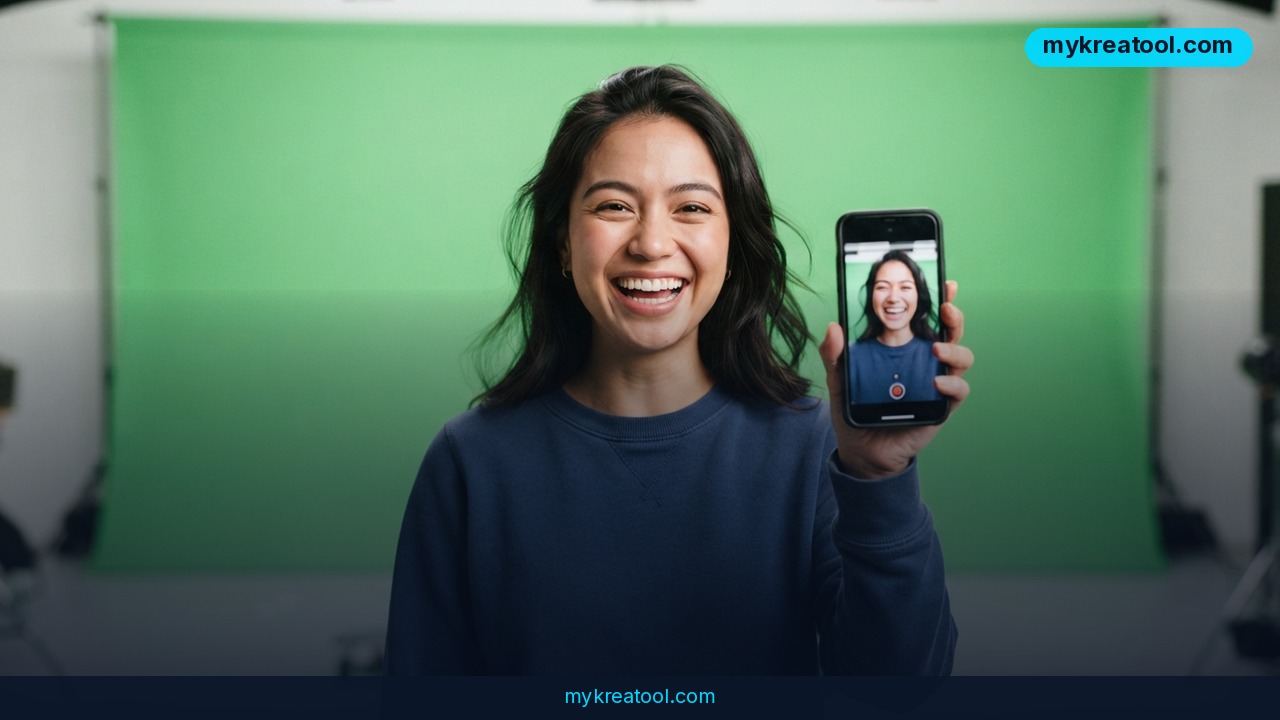
Google just gave everyone a reason to pay attention to its once-overlooked video tool. On Thursday, July 16, 2026, Google announced a major update to Google Vids that lets users build a custom AI avatar — a digital version of themselves that looks and sounds like them, generated from nothing more than a selfie and a short voice recording. Once created, that avatar can "star" in AI-generated videos without the person ever stepping in front of a camera.
The timing is notable. OpenAI's Sora, the AI video tool that let people generate short clips (including plenty of strange ones starring public figures), recently shut down. Google is stepping into that gap, but with a more corporate spin: rather than a viral entertainment app, Vids is being positioned as a serious video creation platform for work.
Alongside the avatar feature, Google is rolling its multimodal model Gemini Omni into Vids. Omni lets users combine a written prompt with uploaded reference images to generate a video, and it can also clean up footage shot on a phone — swapping backgrounds, fixing lighting, or adding effects. A new step-by-step editing mode means creators can revise a video incrementally instead of regenerating it from scratch every time something needs a tweak.
Why it matters
This update pushes Google Vids well past its original purpose. It launched as an AI-assisted tool for building workplace presentations — think narrated slideshows for a team update. With avatars and Gemini Omni now built in, it's evolving into a genuine all-in-one video creation platform.
That repositioning puts Google in more direct competition with a crowded field of AI video companies, including HeyGen, Synthesia, Captions, and D-ID — tools that have built entire businesses around AI avatars and talking-head videos for training, marketing, and social content. Google's advantage is distribution: Vids is part of Google Workspace, meaning it's already sitting inside the productivity suite used by millions of businesses, schools, and teams. Instead of asking companies to adopt a new vendor, Google just needs them to notice a feature already inside a tool they pay for.
For marketers and creators, the bigger shift is conceptual. A personalized, on-brand avatar that can deliver scripted content in your own voice removes two of the biggest bottlenecks in video production: needing to be on camera, and needing to re-shoot every time the script changes.
How to use it today
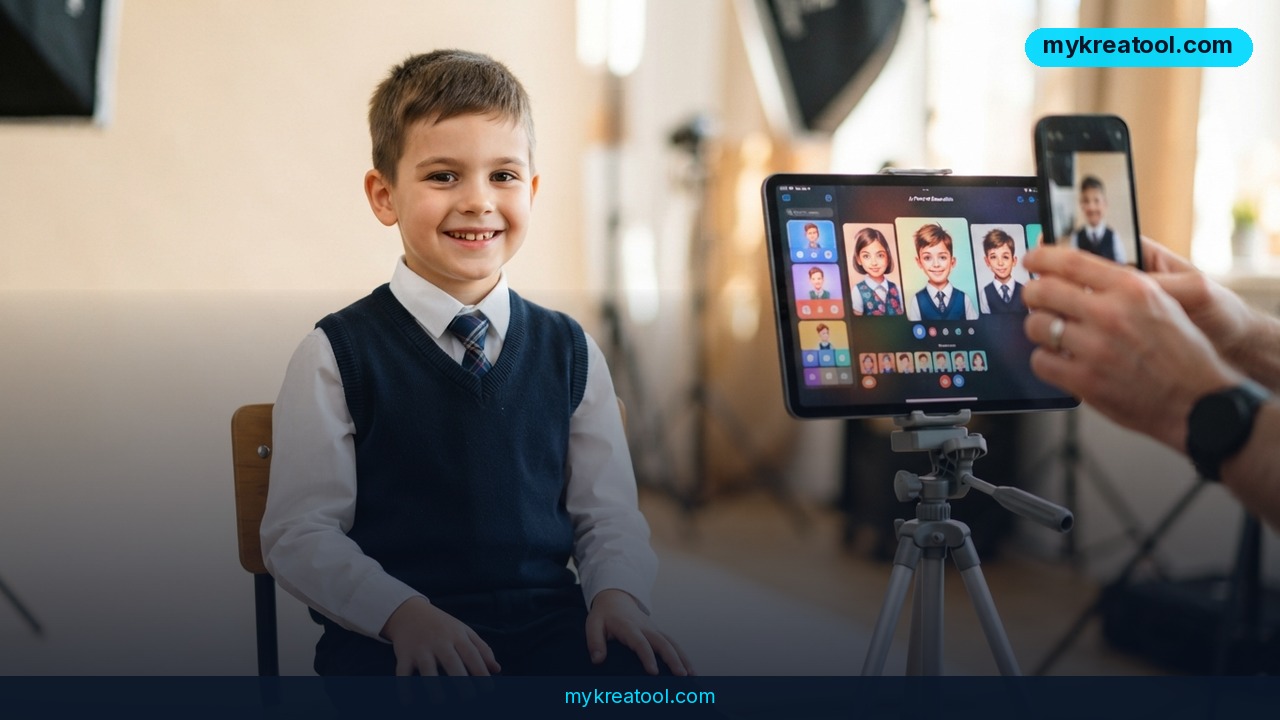
To create your avatar, you upload one selfie and a voice recording; Google Vids uses these to build a likeness that can be directed with text prompts. From there, Gemini Omni handles the heavy lifting — generating footage from a written prompt plus reference images, and letting you edit the result step by step rather than starting over.
Practical use cases Google is clearly targeting include:
• Company-wide announcements delivered by an executive's avatar without scheduling a filming session
• Employee training and onboarding videos that stay consistent across departments
• Marketing or social clips using conversational prompts instead of a full production crew
If you're experimenting with AI-generated video and image content beyond Google's ecosystem, it's worth pairing this with lightweight, no-cost options — a resource like mykreatool.com offers free AI tools for quick image and video generation, which can be handy for prototyping ideas before committing to a full Vids production.
Access is currently limited: Google says personal avatars are only available to account holders aged 18 or older, and only in certain regions, so not every Workspace user will see the option yet.
Who benefits
The clearest winners are internal communications and L&D teams. A marketing manager who needs a quarterly update recorded, or an HR team producing onboarding modules in five languages, can now generate that content without booking a studio or an actor. Small business owners and solo creators also benefit — an avatar-based workflow lowers the cost of producing consistent, on-camera-style content when there's no budget for video production.
Agencies and freelance video editors stand to benefit too, provided they adapt: the step-by-step editing in Gemini Omni turns video editing into an iterative, prompt-driven process rather than a timeline-scrubbing one, which could speed up client revisions significantly.
Risks
The most obvious risk is identity misuse, and Google seems to have anticipated it directly. Every avatar is tied to the account holder's own likeness and Google account — you can't generate an avatar of someone else — and each video is invisibly watermarked with SynthID so it can be traced back as AI-generated. That's a direct contrast to how Sora operated before it shut down, when users freely generated bizarre videos of public figures like OpenAI CEO Sam Altman.
Still, businesses adopting this should think about a few things: consent and usage policies for employee avatars (who controls the likeness if someone leaves the company?), disclosure to viewers when a video features an AI avatar rather than the real person, and the broader trend of AI-generated media eroding trust in video as a format. There's also competitive risk for smaller AI video startups — if Google folds avatar generation into a free Workspace feature, it could squeeze the pricing power of standalone tools that charge specifically for this capability.
Conclusion
Google Vids' new AI avatar feature, combined with the Gemini Omni update, marks a real shift in how everyday teams can produce video content — no camera, studio, or actor required. It's a smart, guardrail-conscious answer to the void left by Sora, and it arrives already embedded in Workspace, giving it a distribution advantage most AI video startups can only dream of. The rollout is still limited by age and region, so widespread adoption will take time, but the direction is clear: personalized AI video is moving from novelty to standard business tool.
Comments 0