What happened
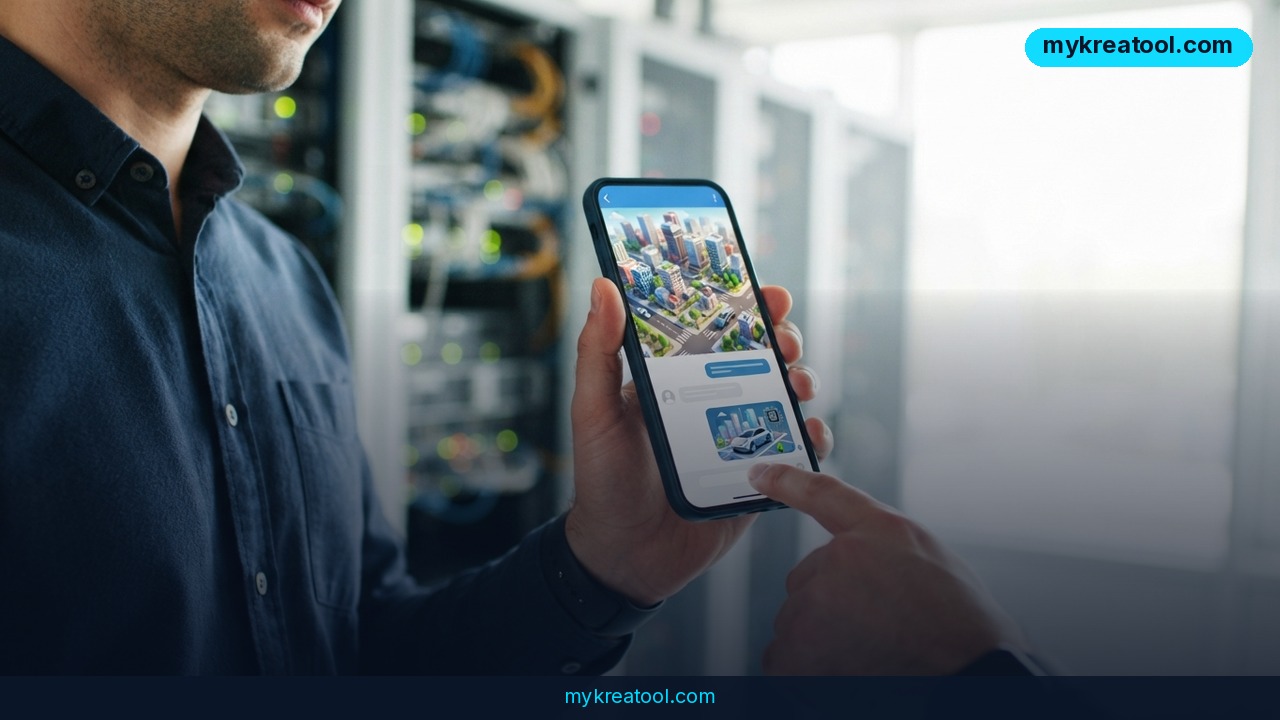
OpenAI just released GPT-6 Astra, and forget the benchmark charts for a second — one demo says more than any leaderboard. From a single prompt, the model built a playable 3D town, complete with a car you can actually drive around it. Astra is now OpenAI's most capable model, and it's the first one the company has rated "Critical" on its internal safety scale under its Preparedness Framework — a label OpenAI hasn't attached to a public release before. OpenAI president Greg Brockman went further, calling Astra the first model of the "AGI era," shorthand for AI that generalizes across tasks the way a person does, instead of being good at one narrow job.
Why the "Critical" safety rating matters
A "Critical" rating isn't a marketing label — it's OpenAI's own internal risk category, reserved for models capable enough that the company wants extra safeguards around them before wide release. Coming from the model's own maker, that's a real signal worth noting, even if it's not an independent audit.
A third-party bot, not an official OpenAI app
Here's the detail worth being precise about: you don't need a developer account or an API key to try Astra yourself. A Telegram bot called @GPT4Telegrambot added it to its model list, letting anyone with a Telegram account and a Premium subscription try it from their phone, at a cost of 10 "generations" per request. But that bot is not an official OpenAI product — it's a third-party aggregator that plugs into several AI models, OpenAI's included, and resells access through Telegram. If you're deciding where to spend money, you're paying a middleman for convenience, not buying directly from OpenAI.
What it means for you
• At home: Ask for "a 3D floor plan of a two-bedroom apartment I can walk through," and get an interactive mockup instead of a flat sketch — handy before you commit to furniture or a renovation.
• At work: Product and ops teams can turn a text brief into a rough interactive prototype — a warehouse layout, a store floor, a factory line — in minutes, instead of waiting days for a first pass from a 3D artist.
• In business: A real estate agent or Airbnb host could generate a walkable 3D preview of a listing straight from a text description, giving buyers something far more engaging than static photos.
• In study: Architecture, urban planning, and game design students can generate a working 3D scene to test an idea, rather than starting from a blank canvas every time.
• In creativity: Indie developers and hobbyists can rough out a playable level or town from one prompt, then hand-polish the parts that matter, cutting early prototyping time from days to minutes.
• In income: Freelancers who build 3D mockups, virtual tours, or exhibit previews for clients can quote faster turnarounds, since the first draft is now a prompt away instead of a multi-day build.
How to try it right now
Free option first
Before paying for anything, get a feel for what current AI models can generate. mykreatool.com offers free AI tools you can use in the browser with no signup — a reasonable way to test AI-generated visuals and get comfortable with prompting before spending money on a premium, gated model like Astra.
Step-by-step for GPT-6 Astra
1. Open Telegram and search for @GPT4Telegrambot, or open it directly.
2. In the bot's menu, go to Choose Model → GPT-6 Astra.
3. Make sure you have an active Premium subscription on the bot — Astra sits behind that paywall.
4. Write a specific prompt ("build a small 3D town I can drive a car around") rather than a vague one — the viral results seem to reward detail.
5. Expect to spend 10 generations per request, so treat your first try as a test, not a final draft.
Remember: this is a third-party bot, not OpenAI's own app or API. If you ever want the model in a professional pipeline, check OpenAI's own model documentation before building anything you depend on.
Upsides and what changes
The real headline here isn't a benchmark score — it's what one prompt can now produce. Turning plain text into an interactive, explorable 3D scene collapses a workflow that used to need modeling software, a game engine, and hours of manual work into a single request. That's a meaningful shift for anyone who prototypes spatial ideas: architects, game designers, retailers, event planners, teachers. It's also likely why OpenAI flagged Astra as "Critical" in the first place — a model that can build functioning interactive systems from a sentence has more real-world reach than one that just writes text or draws a flat image, and OpenAI's own framework treats that jump seriously rather than as a routine upgrade.
Limitations
Stay skeptical before you rely on this for anything real. The viral demo is one polished, cherry-picked example, not a benchmark — don't assume every prompt will produce something as clean as a drivable 3D town; most everyday requests will likely need several tries and edits. Access also runs through a third-party Telegram bot rather than OpenAI directly, which means you're trusting an intermediary with both your prompts and your subscription payment, and its "10 generations per request" pricing can add up fast once you start experimenting. Finally, "Critical" safety rating and "AGI era" are both framings that come from OpenAI and its president — real signals, but company-stated ones, not independent evaluations, so treat them as a marker of internal caution rather than a settled fact about everything the model can safely do.
Conclusion
GPT-6 Astra is a genuine jump in what a single prompt can build, and OpenAI's own safety rating shows the company treats it as such — but the easiest public access point right now runs through a paid third-party bot, not an OpenAI product. Today's action: open mykreatool.com and test a free AI generation tool first, then decide whether a Premium subscription to try Astra directly is worth it for what you actually need to build.

Comments 0