What happened
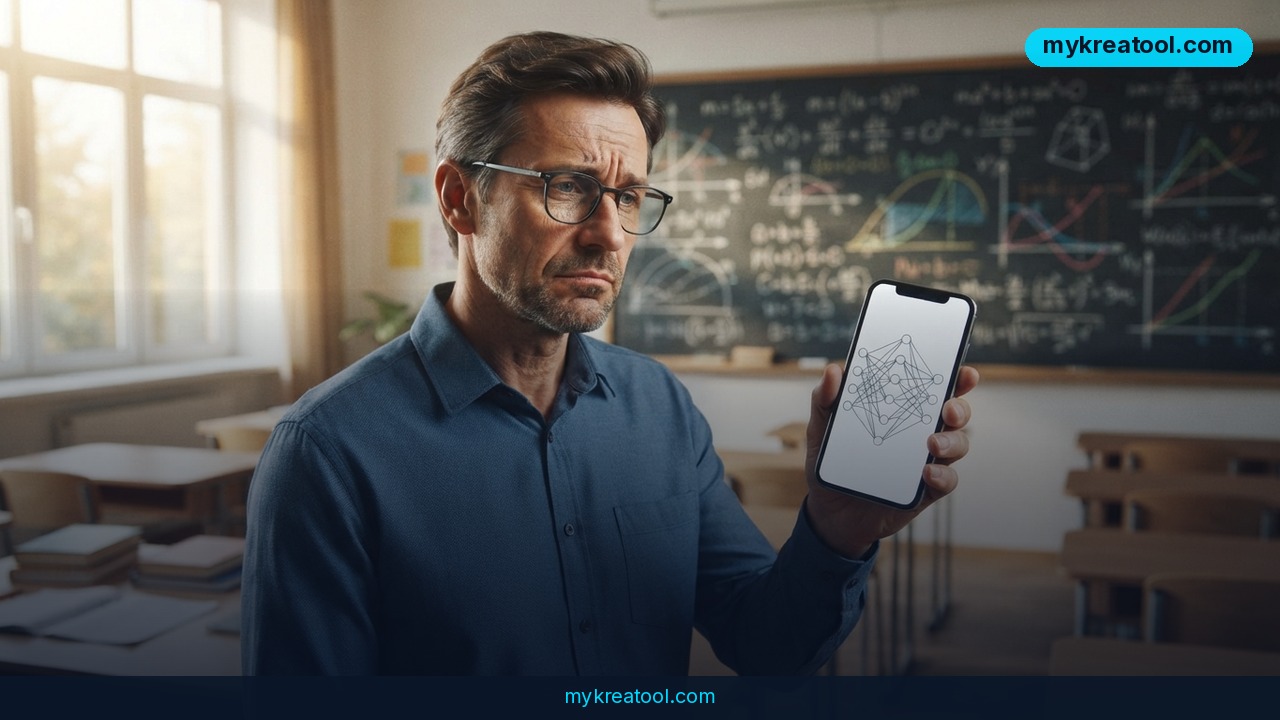
AI tutoring has just claimed one of its first high-profile business casualties. Dymocks Tutoring, an Australian company, is closing five of its Sydney tutoring centers after struggling to compete with AI chatbots that cost a fraction of what a human tutor charges.
The closures were covered by several outlets, including Blocktempo, and were shared widely on social media, for example in posts on Facebook by OzVue and Talent 100 Education. Other posts, such as this one, describe the company as pointing families toward AI alternatives.
The director's blunt admission
Company director Mark Buckland didn't dress it up. He said the technology has made the business model unsustainable, and he was strikingly honest about why: "Most of our customers would be better off using their hard-earned cash on cheaper solutions rather than simply paying for overpriced tutoring."
It's not every day the head of a tutoring company tells the public that his own product is overpriced. That candor is what made this story travel.
The price gap is huge
Here's the math that broke the model. An AI subscription runs about $20–30 a month. A human tutor can cost hundreds of dollars per subject, per school term. If you're a parent with two kids and three subjects each, that gap adds up fast.
Think of it like paying for a private chauffeur when a bus pass gets you across town every day. The chauffeur is nicer. But for a lot of families, the bus pass does the job.
Dymocks itself still believes a real teacher gives a better learning experience than a chatbot. The problem is that, for many families, that difference no longer justifies the price.
Students already made the switch
The customers didn't wait for the companies to catch up. In the U.S., the share of high school and college students using AI to help with homework rose from 48% to 62% between May and December 2025. That's a jump of 14 percentage points in about seven months, and it means roughly six in ten students now lean on AI at least some of the time.
What it means for you
You don't have to run a tutoring center to feel this shift. Here's how it plays out in everyday life.
At home: the family budget
If you're paying for tutoring in two or three subjects, it's worth asking what you're actually buying. Extra explanations at 9 p.m.? Practice questions? Someone to keep your kid on track? An AI assistant can cover the first two for the price of a couple of streaming subscriptions. The third one, accountability, is still very much a human job.
At school and university: study
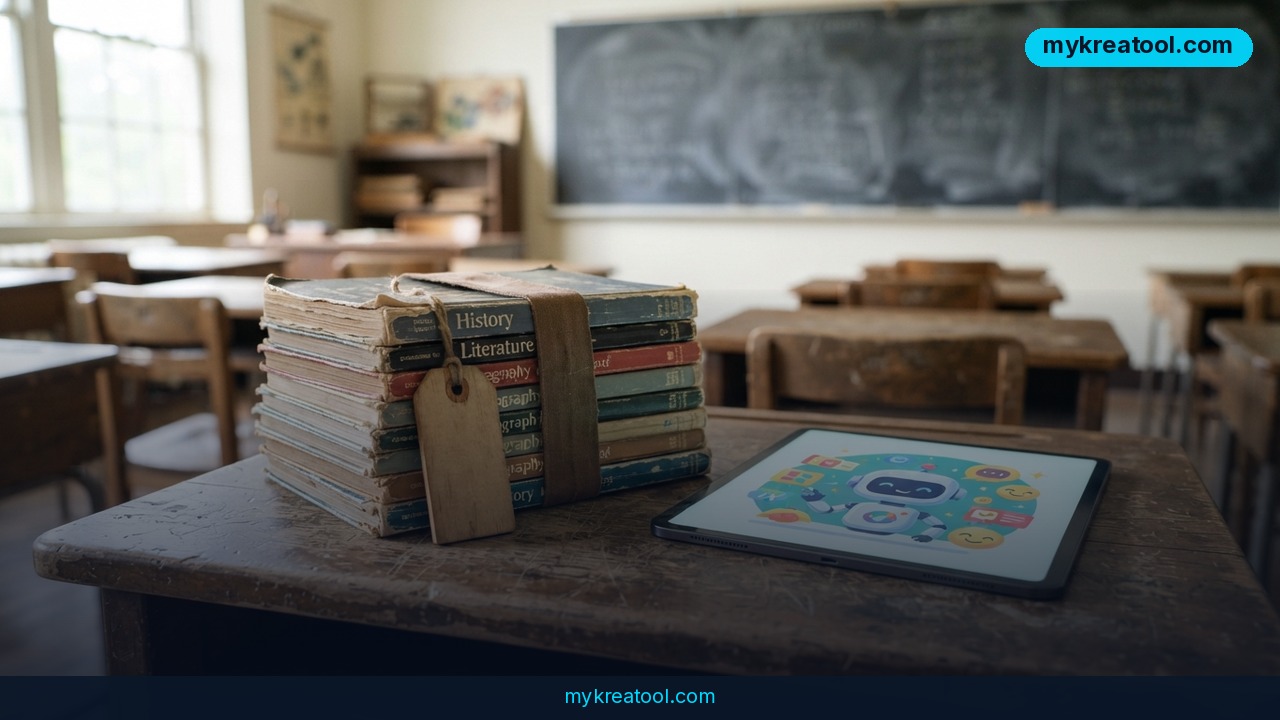
A chatbot works like a patient study buddy who never gets tired of the question "but why?" You can ask it to explain fractions three different ways, or to rephrase a dense paragraph from a history textbook in plain language. Students are already doing this, which is why the numbers above look the way they do.
At work and in your income: teachers and tutors
If you tutor for a living, don't panic, but do adapt. The parts of the job that are pure information delivery are getting cheaper. The parts that AI can't easily copy, such as motivation, personal attention and knowing that a particular child needs a confidence boost, are where your value sits. Tutors who use AI to prepare lessons and generate practice sets can also serve more students in the same hours.
In business and creativity: course makers
If you sell courses, coaching or training, your real competitor is now a $20 chatbot. Content that only explains facts is easy to replace. Content that offers community, feedback, a clear path and a human voice is harder to replace. If you'd like to see what AI can do for your own projects without spending anything, you can try free AI tools at MyKreaTool.
How to try it right now
You can test AI tutoring in about ten minutes, and you don't need to pay anything to start.
Step by step, free option first
1. Pick a free assistant. ChatGPT, Google Gemini and Claude all have free plans. Free tiers come with usage limits, but they're plenty for a first experiment. Paid plans are typically in the $20–30 a month range mentioned above, so hold off until you know you'll use it.
2. Tell it who you are. Start with something like: "I'm a 9th grader and I'm struggling with quadratic equations. Explain it like I'm 12."
3. Ask it to quiz you, not just answer you. A good prompt is: "Give me five practice questions, wait for my answers, then correct me one at a time." This is the closest thing to a real tutoring session, because you're doing the work instead of watching it.
4. Ask for a second explanation. If it doesn't click, say so: "That still doesn't make sense. Try an analogy from cooking or sports."
5. Check the important stuff. Compare key facts and formulas with your textbook or class notes. Treat the chatbot like a smart friend, not a final authority.
6. Do it for a week. Ten to fifteen minutes a day for seven days will tell you whether it can replace, or at least reduce, a paid tutor.
Upsides and what changes
The biggest upside is access. Help that used to cost hundreds of dollars a term is now available at any hour for the price of a monthly subscription, or for nothing on a free plan. Shy students who won't raise a hand in class can ask the same question ten times without feeling embarrassed.
What changes is the shape of the tutoring business. Basic homework help and drill practice become a commodity. Human tutors who survive will likely sell something different: a personal relationship, exam strategy, motivation and the confidence that comes from a real person believing in you. Dymocks may be one of the first to accept this shift, but it probably won't be the last.
Limitations
AI tutoring isn't magic. Chatbots can state wrong answers with total confidence, they can do the homework for a student instead of teaching them, and they can't notice when a kid is tired, frustrated or simply pretending to understand. Younger children especially need an adult nearby, and even Dymocks says a human teacher gives a better learning experience. The 48%-to-62% figure also only tells you how many students use AI, not how much they're actually learning from it, so it's smart to keep an eye on results, not just habits.
Conclusion
The Dymocks closures are a clear signal that AI tutoring has moved from novelty to real competition. With a $20–30 monthly price tag against hundreds of dollars per term, and six in ten American students already using it for homework, families are voting with their wallets. Human teachers aren't obsolete, but the ones who thrive will offer what a chatbot can't.
One action for today: open ChatGPT, Gemini or Claude, pick one topic you or your child finds hard, and ask it to quiz you with five practice questions. Ten minutes will show you more than any headline.

Comments 0