What happened
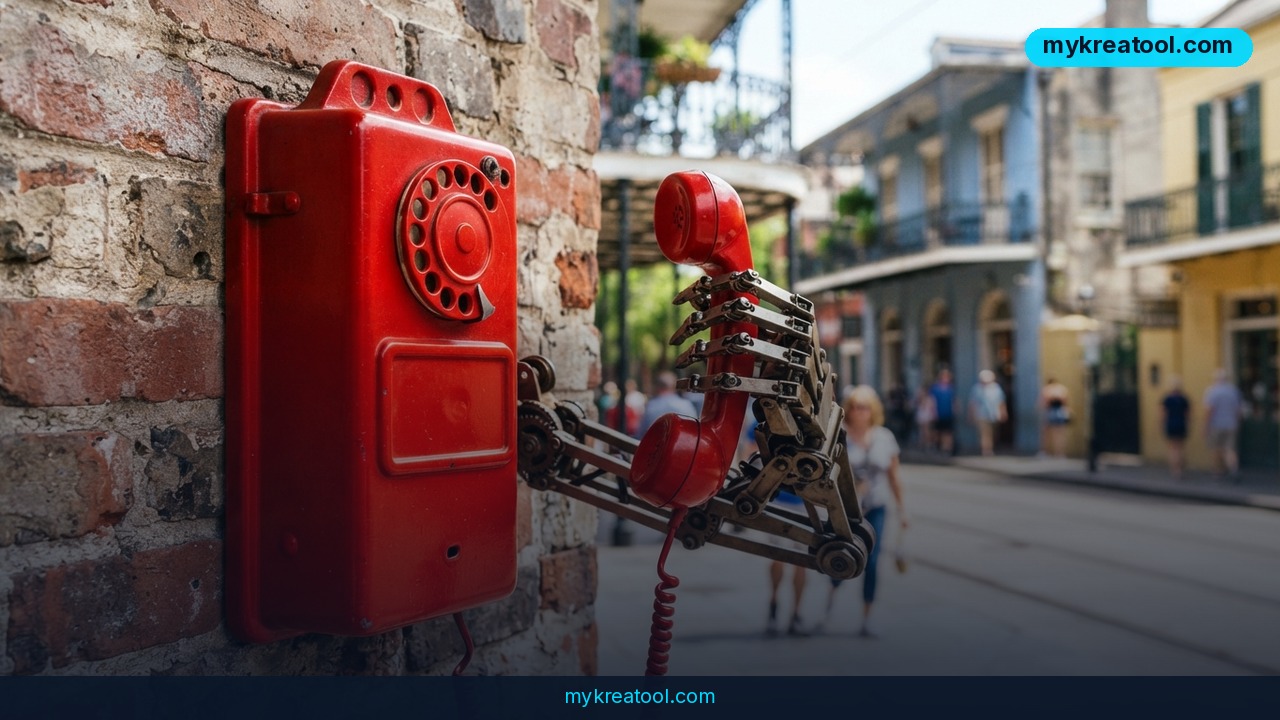
AI 911 dispatch is no longer a hypothetical. A recent investigation by the Shreveport Times, later dissected in a 26-comment Hacker News thread that pulled 27 points, examined whether New Orleans is leaning on artificial intelligence to help field emergency calls instead of relying solely on human dispatchers. The reporting looked at how the city's 911 center handles a growing volume of calls, and whether AI-powered call-triage and transcription tools are quietly becoming part of the emergency response pipeline.
New Orleans isn't alone. Cities across the U.S. have been piloting AI copilots for 911 centers over the past two years — tools that transcribe calls in real time, flag keywords like "weapon" or "unconscious," translate languages on the fly, and suggest dispatch codes to human operators. The Hacker News discussion that followed the article split roughly into two camps: commenters who saw AI as a lifeline for chronically understaffed dispatch centers, and others who worried that any AI layer between a caller and a first responder introduces new failure points in a system where seconds matter.
The staffing backdrop
The context matters. 911 centers nationwide report vacancy rates often cited between 20% and 30%, according to public safety staffing surveys, driving up call wait times and burnout among remaining dispatchers. That shortage is the practical reason AI tools got a foothold at all — not because cities wanted to replace dispatchers, but because they couldn't hire enough of them.
Why it matters
Emergency dispatch is one of the highest-stakes places AI has entered public infrastructure. Unlike a chatbot giving a wrong restaurant recommendation, a misrouted or mistranscribed 911 call can delay an ambulance, a fire truck, or a patrol car by minutes — and in a cardiac arrest or structure fire, minutes decide outcomes.
The New Orleans case is a bellwether for a broader trend: AI moving from back-office analytics into real-time, life-or-death decision support. If it works, it could ease chronic understaffing at 911 centers nationwide. If it fails quietly — through a mistranslated address or a missed keyword — the failure may not surface until after the fact, which is exactly what worried commenters on the Hacker News thread.
A trust problem, not just a tech problem
Many of the 26 comments on the thread weren't about whether the AI works technically — they centered on transparency. Callers dialing 911 generally assume a human is listening. If an AI system is doing initial triage, transcription, or even partial call handling, disclosure and oversight become as important as accuracy.
How to use it today
You don't need to run a 911 center to benefit from the same underlying technology. The tools behind AI-assisted dispatch — real-time transcription, keyword flagging, automated call summarization, and multilingual translation — are now widely available to businesses and solo creators through free and low-cost AI tools.
A small business fielding customer service calls, a property manager handling maintenance requests, or a creator managing inbound inquiries can apply the same pattern: let AI handle transcription and triage while a human makes the final call. For quick experimentation without committing to enterprise software, a site like mykreatool.com offers free AI tools for tasks like transcription, summarization, and translation — useful for testing whether an AI-assisted intake workflow fits your operation before investing in a dedicated platform.
Practical starting points
• Use AI transcription to create searchable logs of calls or voice messages.
• Add automated summarization so staff can triage requests faster.
• Test translation tools if you serve multilingual customers, mirroring how 911 centers use AI for non-English callers.
Who benefits
The clearest winners are understaffed public safety agencies that can extend a small dispatcher team's effective capacity — AI handles transcription, initial call categorization, and language translation, freeing humans to focus on judgment calls. Vendors building 911-adjacent AI software also benefit from validation that the approach can scale to a major metro area.
Outside emergency services, the same beneficiaries repeat in the private sector: customer support teams, healthcare intake lines, and any small business that gets more calls than it can staff. Entrepreneurs and marketers exploring AI can treat New Orleans as a real-world case study in where AI-assisted communication adds value — and where it needs a human backstop.
Where it adds the least value
AI triage tools add the least value in low-volume, high-context situations where a dispatcher's local knowledge (a confusing address, a known repeat caller, a language nuance) matters more than speed. The same logic applies to business use: AI shines at high-volume, repetitive intake, not nuanced escalations.
Risks
The risks raised in both the original reporting and the Hacker News discussion cluster around three issues. First, accuracy: AI transcription and keyword detection can misread accents, background noise, or unusual phrasing, and in a 911 context a missed word can change the response sent. Second, accountability: when an AI-assisted call goes wrong, it's unclear who is liable — the city, the software vendor, or the dispatcher who trusted the AI's flag. Third, transparency: several commenters argued callers deserve to know when AI is involved in handling their emergency, a disclosure most 911 centers don't currently provide.
There's also a slower-moving risk: over-reliance. If AI tools reduce perceived urgency to hire and train human dispatchers, staffing gaps could become permanent rather than temporary, entrenching a system that depends on software with no clear regulatory oversight for emergency use.
Conclusion
New Orleans' AI-assisted 911 pilot, and the scrutiny it's drawing, is a preview of a wider shift: AI moving into real-time, high-stakes decision support across public infrastructure. For entrepreneurs and creators, the takeaway isn't about emergency services specifically — it's a reminder that AI-assisted triage, transcription, and translation tools are mature enough to test in your own workflows today, as long as a human stays in the loop for anything that truly can't afford to be wrong.
Comments 0