What happened
Meta has quietly rolled out Muse Image, a free AI image generator built directly into Meta AI, Instagram Stories, and WhatsApp. With over 3 billion people using Meta's apps monthly, the tool is now sitting one tap away for a huge share of the internet. Type a prompt, and Muse Image produces a usable visual for a Story, a post, or a chat sticker in seconds — no design skills, no separate app, no subscription.
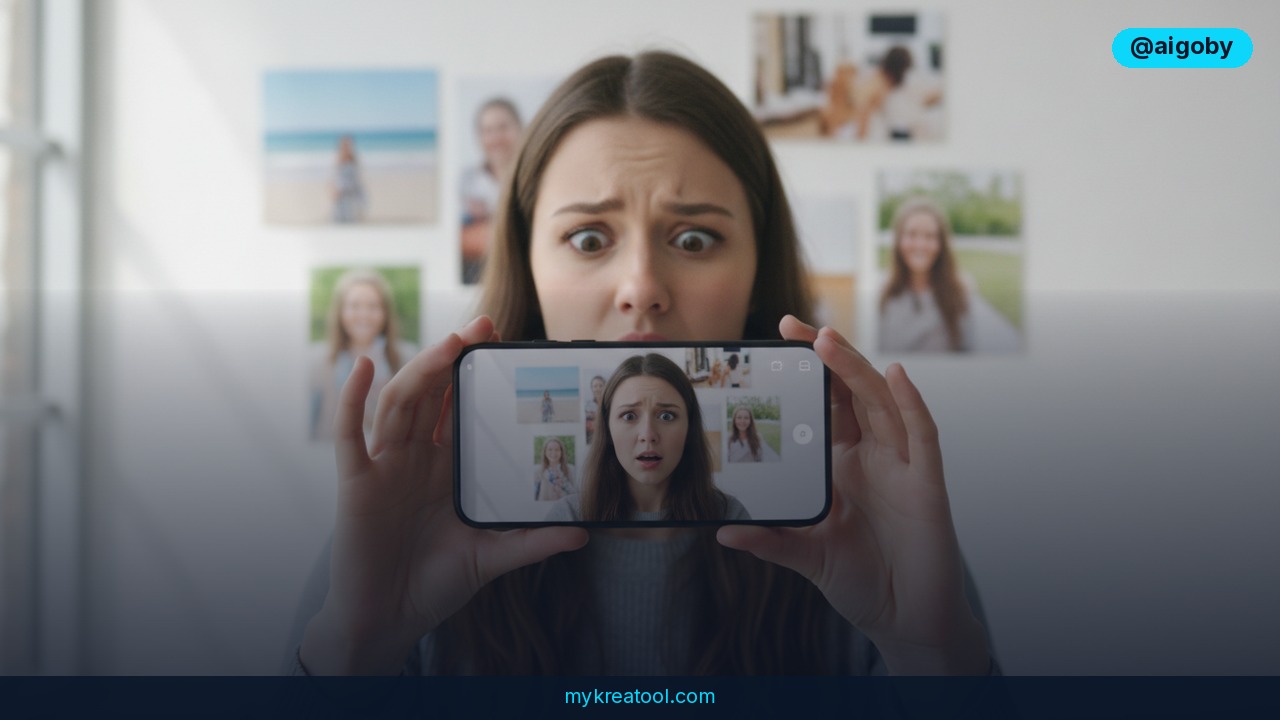
The catch, reported by users and researchers testing the rollout, is that Muse Image can incorporate public Instagram photos — including pictures of real people — into its generated images. And by default, Meta does not ask the photo's owner for explicit consent before their face or content gets folded into someone else's AI creation. For a platform with more than 2 billion Instagram accounts, that default setting affects an enormous number of people who have no idea it exists.
Why it matters
This is not a hypothetical privacy debate — it is a live setting quietly switched on inside apps most people open every day. If your Instagram profile is public, photos you posted years ago for friends and followers can now become raw material for an AI system generating content for strangers. That includes vacation photos, family pictures, or professional headshots.
The bigger issue is scale and speed. Traditional photo misuse required someone to manually copy and repurpose an image. Muse Image automates that process instantly, at the scale of Meta's entire user base. Regulators in the EU and consumer groups have already flagged Meta's AI training practices around user content; this feature adds another layer to that scrutiny, since image generation and data usage are governed by different, often unclear, rules depending on the country.
For small businesses and creators who rely on Instagram for brand photos, product shots, or personal likeness, this is directly relevant: your public content is now training and generation material by default, not by choice.
How to use it today
If you want to try Muse Image, it is already live inside Meta AI (meta.ai), Instagram Stories' create tools, and WhatsApp's AI chat. Open any of the three apps, tap the AI or Stories icon, type a text prompt describing the image you want, and Muse Image generates it in a few seconds — free, with no daily limit disclosed publicly so far.
Before you use it, or before your own photos become part of someone else's generation, check your privacy settings:
1. Open Instagram → Settings → Account privacy → switch to Private account if you don't need public reach.
2. Review Settings → Privacy → Story controls to limit who can see and save your Stories.
3. Check Meta AI data controls under Settings → Meta AI, where opt-out options for AI feature usage are listed.
For entrepreneurs who want a similar quick-image workflow without uncertainty over whose photos get pulled in, free AI tools like the ones at mykreatool.com let you generate marketing visuals from your own prompts and assets, with full control over what goes into the final image.
Who benefits
Casual users get a genuinely useful shortcut: a free, fast way to make Story graphics, memes, or chat visuals without opening a separate design app. Small creators and social media managers benefit from cutting production time on daily content — what used to take 10-15 minutes in a design tool now takes under 10 seconds.
Meta benefits too, in a less obvious way: every Muse Image generation keeps users inside Instagram, Meta AI, or WhatsApp instead of switching to a competitor's app, and it feeds Meta more signal on what kind of visuals people want, which sharpens future ad-targeting and content recommendations.
The group that does not clearly benefit is the average public Instagram user who never touches Muse Image but whose posted photos can still be pulled into it. They get none of the convenience and carry all of the exposure.
Risks
The most immediate risk is consent: photos of real people, including minors on family accounts or professional headshots on business pages, can end up recombined into AI images without the subject's knowledge or approval. There is currently no notification sent to a user when their public photo is used this way.
A second risk is misuse for impersonation or misleading content — since Muse Image can generate a plausible image featuring a real face pulled from a public profile, it lowers the effort needed to create convincing but fake visual content.
Third, there is a data-retention question that Meta has not fully clarified: it's unclear whether images used as generation inputs are stored, logged, or used to further train underlying models. Until Meta publishes clearer documentation, users should assume public Instagram content is fair game for AI features across the company's apps.
Conclusion
Muse Image is a fast, free, and genuinely convenient tool — but it ships with a privacy default that quietly pulls public Instagram photos into AI-generated content without asking first. If you have a public Instagram account, the smart move this week is a five-minute settings check: privacy status, Story controls, and Meta AI data permissions. For businesses that want AI visuals without the uncertainty, a dedicated tool where you control every input image is the safer default.


Comments 0