What happened
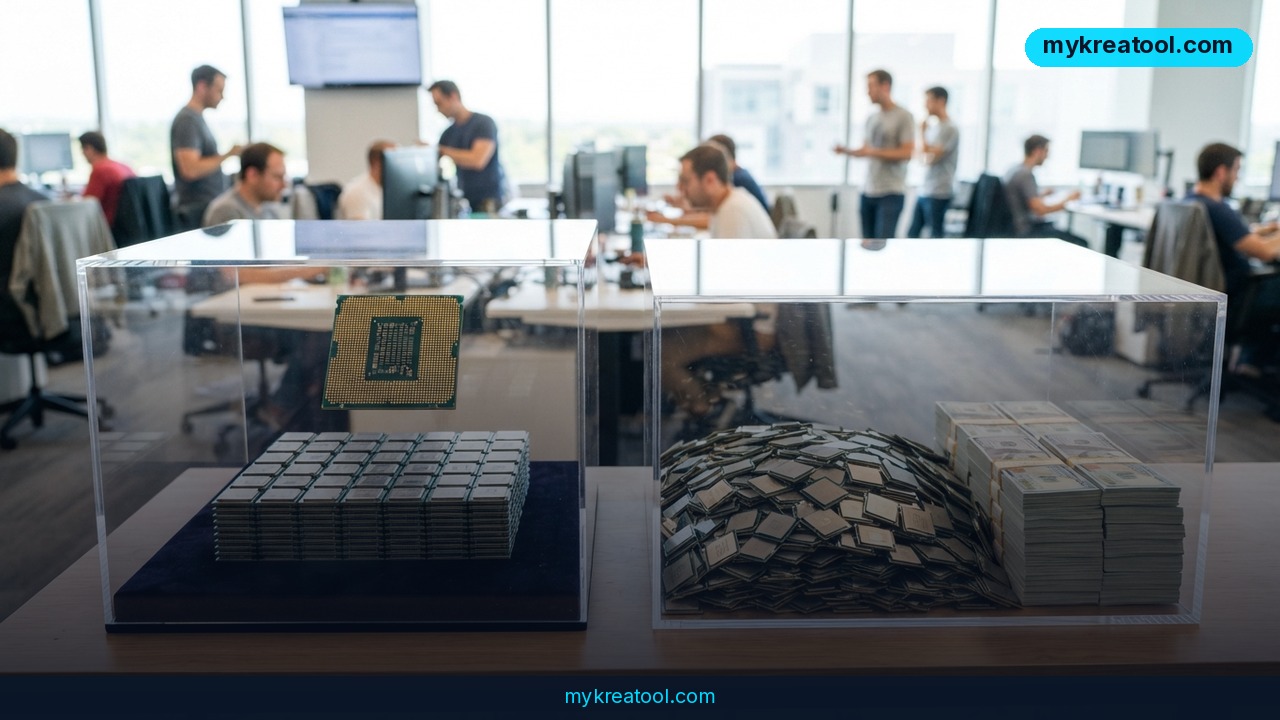
OpenAI just made its best AI models a lot cheaper to use. The company released GPT-6 Sol and Luna, two new versions of its GPT-6 model family, and cut API prices by 50% compared to the previous GPT-5.6 pricing. If you've been priced out of using top-tier AI for your business, that math just changed.
A quick refresher on what "API pricing" even means: when a company builds an app or automation that uses GPT-6 behind the scenes, they pay OpenAI per "token" — roughly a chunk of a word — for every question sent in and every answer sent back. Think of it like a metered utility bill for AI brainpower. The more you use, the more you pay, so price cuts translate directly into cheaper software and services for everyone downstream.
Here's the actual price drop, per 1 million tokens (about 750,000 words):
• GPT-6 Sol: input dropped from $4 to $2, output from $20 to $10
• GPT-6 Luna: input dropped from $0.20 to $0.10, output from $1.20 to $0.50
Sol and Luna sit below OpenAI's flagship model, GPT-6 Astra, which remains the company's most capable and expensive option. Sol is the mid-tier workhorse for serious tasks; Luna is the budget option built for high-volume, everyday jobs. Both were trained using the same techniques behind Astra, so they inherited a lot of its intelligence at a fraction of the cost.
The numbers back this up. On AutomationBench, a test that measures how well AI handles real business workflows across 47 different tools (sales, marketing, support, finance, HR), GPT-6 Sol running at its most thorough setting scored 33.2%, beating rival Claude Opus 5's best score of 26.9% — while costing just 9% as much per task. On a separate professional-skills test called Agents' Last Exam, Sol scored 56.4%, again beating Opus 5's top score, at 60% lower cost per task. OpenAI also says Sol now makes about half as many factual mistakes as its predecessor.
What it means for you
You don't need to be a developer to feel this shift. Cheaper, smarter AI models ripple out into the tools you already use.
At home: Apps for meal planning, budgeting, or trip itineraries that use AI behind the scenes can now run more queries without raising their subscription price — or they can finally afford to add AI features that were too expensive before.
At work: If your company uses AI chatbots for customer support or internal helpdesks, this cut means those tools can handle more conversations, more accurately, without blowing the budget. Expect subscription-based AI software to get either cheaper or noticeably better over the next few months as providers pass along the savings.
Running a business: This is where it matters most. If you've been hand-coding invoices, replying to routine customer emails, or building spreadsheets by hand, a Sol-powered automation can now do rounds of that work for pennies per task. A small business processing hundreds of support tickets a day could see its AI costs drop by half while getting more accurate answers.
Studying: Students using AI tutors for practice problems, essay feedback, or study guides benefit from lower error rates — GPT-6 Sol reportedly cuts factual mistakes roughly in half compared to its predecessor, which matters a lot when you're trying to learn something correctly the first time.
Creative work: Freelancers using AI to draft outlines, brainstorm concepts, or restructure long documents get more iterations for the same money, since Sol comes with higher usage limits.
Side income: If you're building or reselling AI-powered tools, chatbots, or automation scripts, your margins just improved. Cheaper input costs mean you can charge less, serve more customers, or simply keep more profit.
How to try it right now
You don't need a developer background or an OpenAI account to get a feel for what GPT-6-class models can do.
1. Start free: Head to mykreatool.com and try its free AI tools first — no signup friction, no credit card, and a good way to see what modern AI models can handle before you commit to a paid plan.
2. Try the consumer version: Go to ChatGPT and sign up for a free account. OpenAI regularly rolls its newest models into the ChatGPT interface, so you can test capabilities similar to Sol and Luna without writing a single line of code.
3. For developers or business owners: If you or your team build software, the new pricing is live on the OpenAI API platform. Pick Luna for high-volume, simple tasks (like sorting emails or tagging support tickets) and Sol for anything requiring more reasoning, like drafting contracts or analyzing data.
4. Test before you commit: Run the same task through Luna and Sol side by side. Luna is cheap enough to use liberally; Sol costs more but handles nuance better. Most real workflows end up mixing both — Luna for the bulk of the work, Sol for the tricky parts.
5. Set a budget cap: If you're using the API, OpenAI lets you set spending limits in your account dashboard. Do this before you start testing so a runaway script doesn't surprise you on the bill.
Upsides and what changes
The headline benefit is obvious: half the cost for comparable or better performance. That alone opens the door for smaller businesses and solo creators who previously couldn't justify AI costs at scale. But the deeper shift is in what these models can now do reliably.
Sol beating Claude Opus 5 on business-workflow tests while costing a fraction as much is a meaningful data point — it suggests AI-powered automation (the kind that books meetings, fills out forms, or processes orders across multiple apps) is becoming genuinely affordable rather than a luxury reserved for big companies. The factuality improvement matters too: fewer hallucinated facts means less time spent double-checking AI output, which is often the real cost of using these tools.
Limitations
Be honest with yourself about what these numbers mean before you build a business around them. The benchmark scores, while impressive relative to competitors, are still well under 60% on hard, real-world professional tasks — these models get things wrong a meaningful chunk of the time, so anything customer-facing or financially sensitive still needs a human check. Pricing also changes fast in this industry; the 50% cut is compared to promotional GPT-5.6 rates, not a guaranteed permanent baseline, so don't lock in a business model assuming today's price holds forever. And if your task truly needs the highest accuracy — legal review, medical information, complex financial analysis — OpenAI itself says GPT-6 Astra, the pricier flagship, is still the safer choice over Sol or Luna.
Conclusion and one action for today
GPT-6 Sol and Luna make serious AI capability affordable for far more people and businesses than before, with real benchmark wins over competitors at a fraction of the cost. Your action for today: pick one repetitive task you do by hand — a batch of emails, a report, a set of product descriptions — and run it through mykreatool.com's free tools or ChatGPT to see how much time an AI-assisted pass could actually save you.

Comments 0