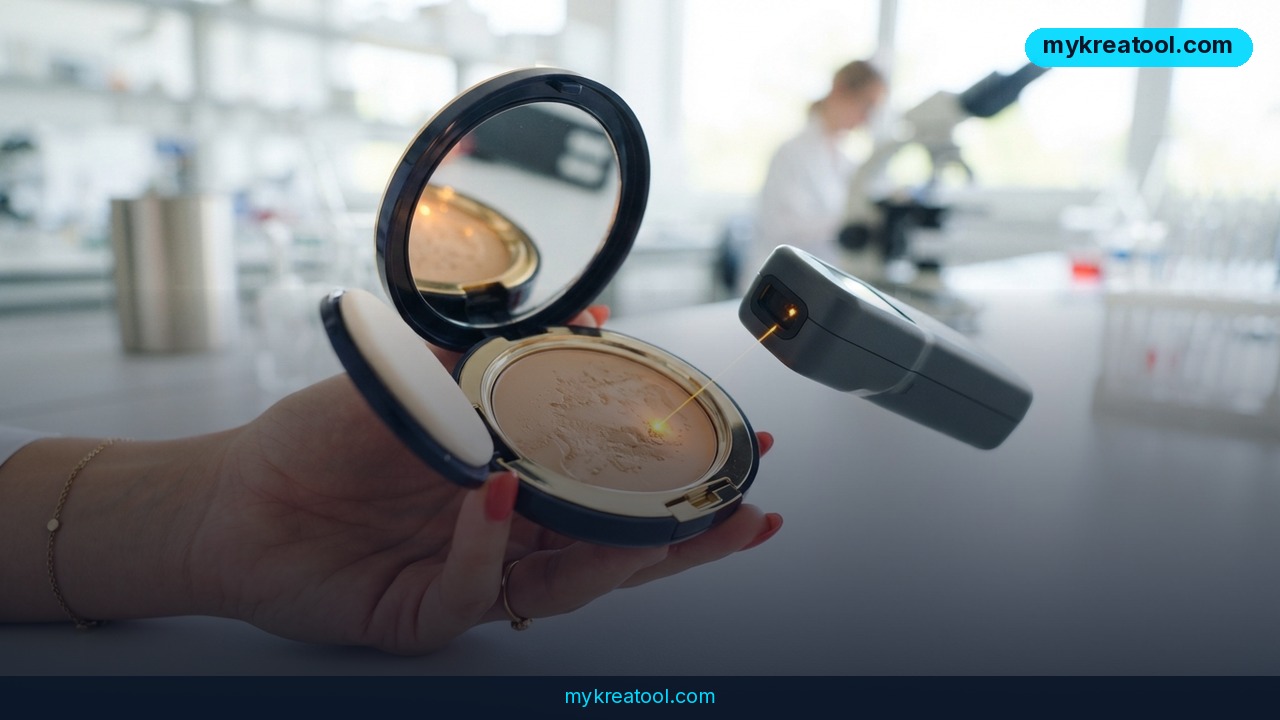
A researcher tested Google Gemini on three packages of Rhode Peptide Lip Tint, including one bought for about $5 off eBay. The AI flagged a misspelled ingredient on the packaging that human shoppers would likely miss. Here is what the experiment reveals about using AI counterfeit detection for cosmetics today.
How the AI Counterfeit Detection Test Was Set Up
A researcher who normally builds low-cost tools to catch fake medicines decided to test whether AI counterfeit detection could work on cosmetics too, using nothing but a smartphone and a chatbot. Counterfeit cosmetics are a huge problem: studies estimate that roughly two-thirds of branded makeup and skincare listed on marketplaces like eBay, TikTok Shop, and Vinted are fake. To run the experiment, the researcher bought three packages of Rhode Peptide Lip Tint, a product recently flagged by the New York Times as a favorite target for counterfeiters, and photographed each one from six angles: four sides of the box and the front and back of the tube.
Each set of six photos was uploaded to Google Gemini (the Gemini 3.6 Flash model, with "Thinking" mode turned on — a setting that makes the model reason step by step through the image details before answering, instead of giving an instant first-glance verdict) alongside a simple prompt: "Is this tube of Rhode Peptide Lip Tint authentic?" The model was then pushed further with a follow-up question — "Are there any other red flags you can find?" — to see how deep its analysis could go.
What Gemini Found — and How It Caught the Fake
Gemini correctly flagged Package A, purchased for about $5 from a sketchy eBay seller, as counterfeit. Genuine Rhode Peptide Lip Tint retails for around $20, while the fake version cost roughly a quarter of that — a price gap that alone should raise suspicion but often doesn't stop buyers scrolling through marketplace listings.
The Single Typo That Gave Away a Counterfeit
The giveaway was a single misspelling in the ingredients list: the box printed "Diisostearyl Malate" as "Diisosteary! Malate," swapping an "l" for an exclamation mark. That kind of scanning error happens when a counterfeiter photocopies a real label instead of reproducing it digitally — invisible to a casual glance, but enough for the AI to raise a red flag with confidence.
From Lab Tool to Consumer Tool
Multimodal AI models like Gemini, ChatGPT, and Claude can now read fine print, compare typography, and cross-reference packaging details in seconds — tasks that previously required a trained eye or a side-by-side comparison with an authenticated product. That shifts counterfeit detection from something only brand-protection teams or researchers could do into something any shopper can attempt before checkout.
A Scalable Defense Against a $50 Billion Problem
The global counterfeit cosmetics trade is estimated to cost brands and consumers billions annually, and fakes aren't just a wallet issue — they can contain heavy metals, bacteria, and other contaminants that pose real health risks. An AI check that costs nothing and takes about thirty seconds is a meaningful addition to the toolkit, even if it isn't foolproof.
Why AI Counterfeit Detection Matters for Shoppers in 2026
This experiment matters because it shows that AI counterfeit detection doesn't require specialized hardware, lab access, or expert training — just a phone camera and a free chatbot.
Step-by-Step: How to Use AI to Verify a Cosmetic Product Today
Anyone can replicate this process right now. Before buying a suspicious beauty product online, ask the seller for close-up photos of the box (all sides) and the product itself, then upload them to an AI chatbot with a direct question: "Is this authentic [product name]? What red flags do you see?" Push the model with a second prompt asking it to look harder — the researcher found that follow-up questions surfaced additional inconsistencies the first pass missed.
For creators and small brand owners who want to build a quick verification workflow — comparing product photos, generating checklists, or drafting a customer-facing FAQ about spotting fakes — a free AI image and content tools on MyKreaTool hub can help assemble these steps into a simple, repeatable process without needing to code anything.
What Photos to Request Before You Buy
1. Request multiple angles, not just the front of the box.
2. Ask the AI to zoom in on the ingredient list — check the exact spelling and ordering of ingredient names, the batch code, and the logo font, since these are the details counterfeiters most often get slightly wrong.
3. Compare the AI's findings against the official brand website's packaging photos.
4. Treat a price that's 50-75% below retail as itself a red flag, regardless of what the AI says — that gap is a fraud signal on its own, before a single photo is examined.
Who Benefits from AI-Based Counterfeit Checks
Everyday online shoppers benefit most directly, especially those buying luxury or trending beauty products on resale and third-party marketplace platforms where authentication is inconsistent. Small business owners who resell cosmetics also gain a low-cost screening step before listing inventory, reducing the risk of unknowingly selling counterfeit stock. Brand protection teams and marketers can use the same approach to monitor how well their packaging details hold up against forgery and to update packaging designs with harder-to-copy features. Content creators and marketers covering beauty, e-commerce, or AI tools have a genuinely useful, testable story to share with their audience — real photos, a specific product, and a documented before/after result.
Risks and Limitations of AI Counterfeit Detection
AI counterfeit detection is promising but not perfect, and treating it as infallible is itself a risk. In the researcher's test, Gemini's accuracy varied across the three packages, meaning it can produce false confidence on well-made fakes or flag genuine products incorrectly. Counterfeiters also adapt quickly; once they learn that certain typos or layout errors get flagged, they correct them, which means AI models need continuous retraining on updated packaging references to stay useful. There's also a privacy and misinformation angle: uploading photos to third-party AI platforms means trusting how that data is stored, and relying solely on a chatbot's verdict without checking price, seller reputation, and return policies could still leave buyers exposed.
This small but well-documented experiment shows that AI counterfeit detection is already good enough to catch real-world fakes, like a $5 imitation Rhode Peptide Lip Tint, using nothing more than a phone camera and a free chatbot prompt. It won't replace professional authentication or brand-side anti-counterfeiting programs, but it gives everyday shoppers, resellers, and marketers a fast, free first line of defense against a counterfeit cosmetics market that quietly costs consumers money and, in some cases, their health. See more MyKreaTool news on AI and e-commerce for similar hands-on AI experiments.

Comments 0