What happened
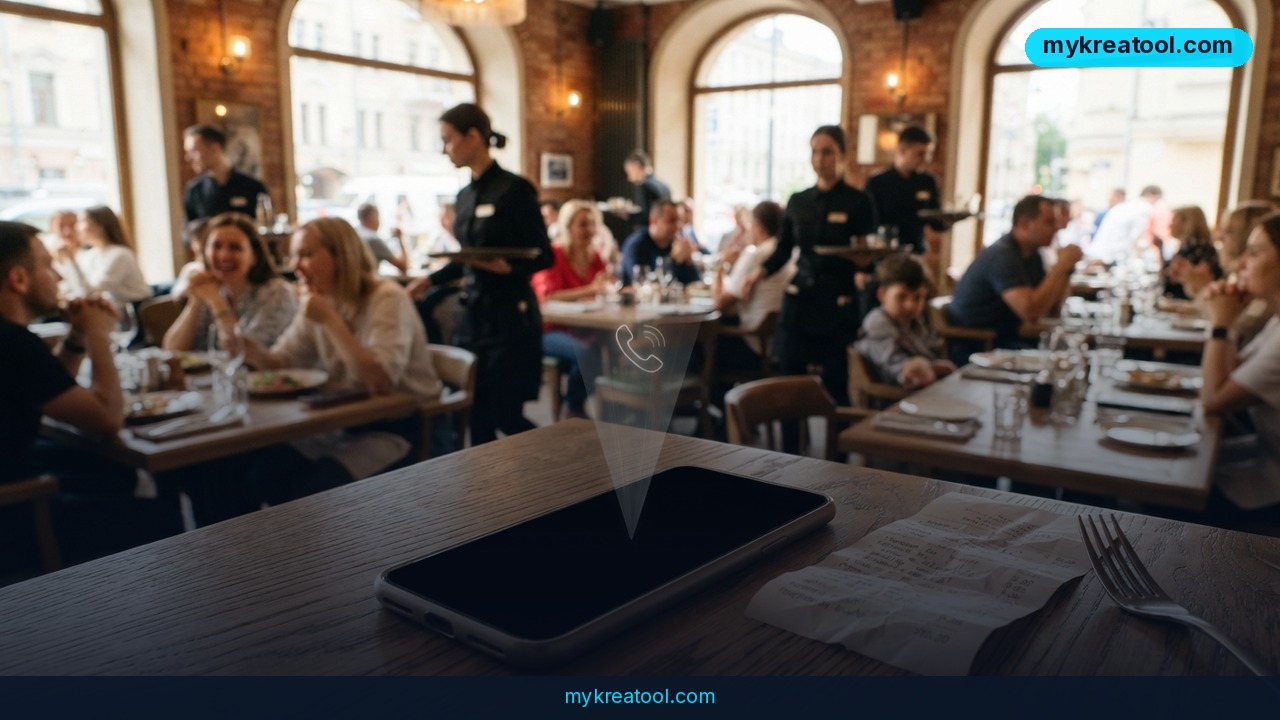
A voice-calling AI agent that books your restaurant table and argues with your cable company on hold is no longer a concept — it's live right now in two of the biggest AI assistant apps on the market. On September 16, 2026, San Francisco startup Instinct rolled out a new feature called Instinct Concierge, and on the same day Meta's Muse assistant switched on outbound calling to U.S. businesses. Both apps can now dial a restaurant that doesn't take online bookings, call your dentist's office to ask about a cancellation slot, or sit on hold with your internet provider so you don't have to.
Instinct's founder, Noah Shinn, announced the feature on X, calling it a "white glove service" for tasks that genuinely need a phone call rather than an app or a web form. It's rolling out in early access first, with a full release planned later. Meta's Muse calling feature is also in beta, and the company says it's prioritizing people who specifically asked Muse to build it — in practice, that means telling Muse "I wish you could call this place for me" is currently the fastest way to get access.
The timing isn't random. Rival apps Wajo, Town, and Ollie had all been marketing phone calling as their edge over Instinct. Now that Instinct has shipped Concierge, that edge is gone, and the whole AI-assistant market — one attracting serious investor money — is matching each other's features almost week by week.
The numbers behind this race are hard to ignore. Instinct raised $350 million last month at a $2.5 billion valuation and is reportedly now in talks to raise $1 billion at a $10 billion valuation. Meta's Muse app, meanwhile, pulled in more than 730,000 U.S. downloads in its first few days — beating the original Meta AI app's 707,000 downloads in its first five days — and briefly hit the No. 2 spot on the App Store charts.
What "AI agent" actually means here
If the term is new to you: an AI agent is a step up from a chatbot. Instead of just answering questions, it can take actions on your behalf — send an email, fill out a form, or, as of this week, dial a phone and hold a real conversation with a human on the other end. Think of it less like a search engine and more like a personal assistant who actually picks up the phone.
What it means for you
This isn't just a headline feature for tech reporters — it changes what an ordinary phone-based errand looks like. Here's how it plays out in real life.
At home: You tell your assistant "get us a table at that steakhouse Friday at 7" — the one that only takes calls, not online bookings — and it handles the back-and-forth for you. Same goes for getting on a dentist's cancellation list or calling your cable company to dispute a charge, the kind of call most people put off for weeks because nobody wants to sit on hold.
At work: Instinct now also lets your assistant's account contact someone else's assistant directly, through what it calls a trusted network — useful for coordinating a meeting time or confirming a delivery window without either human ever picking up the phone.
Running a business: A small business owner can hand off the repetitive calls — confirming supplier orders, rescheduling a vendor visit, chasing an overdue invoice — to an agent, freeing up real hours during the day instead of a virtual assistant service that costs a monthly fee.
Freelancing and income: If part of your income depends on juggling client calls — a contractor, a consultant, a wedding planner — offloading routine scheduling calls to an agent means more billable hours doing the actual work instead of phone tag.
Creative projects: None of this replaces a human touch for creative work, but it frees up time for it. If you're building something on the side — a newsletter, a small shop, a portfolio site — and want to experiment with AI beyond phone calls, a free hub like mykreatool.com lets you try AI tools for writing, images, and other tasks without signing up for another paid subscription.
Studying: Students juggling part-time jobs or internships could use an agent to handle logistics calls — confirming an appointment with a university office or rescheduling a tutoring session — instead of losing study time to being on hold.
How to try it right now
1. Free and easiest: ask Meta's Muse to make a call. If you already use the Meta AI app or Instagram/WhatsApp's Muse assistant, just ask it directly — something like "can you call this restaurant for me?" Meta says it's rolling calling out first to people who ask for it, so the request itself is your fastest path into the beta.
2. Instinct users: watch for the Concierge rollout. Instinct Concierge is in early access, expanding gradually. If you already have an Instinct account, check the app for a Concierge or calling option; if you don't see it yet, it's worth checking back over the coming weeks as Instinct widens access.
3. No access yet? Start smaller. While you wait for calling features to reach your account, you can still get comfortable with what an AI agent can do for text-based tasks — drafting the email, comparing options, writing the script you'd want it to "say" on a call — using a free tool so you're not paying to experiment.
4. Keep expectations realistic at first. Early access features change fast; treat the first few calls as a test, not something you'd hand a high-stakes negotiation to yet.
Upsides and what changes
The obvious win is time. Nobody enjoys being on hold with a cable company or playing phone tag with a dentist's office, and having an agent absorb that is a genuine quality-of-life upgrade, not a gimmick. It also opens up services that never had a digital front door — the restaurant that only takes calls, the local repair shop that doesn't have online booking — to the same convenience as apps with instant booking. The bigger shift is structural: once AI agents can call each other (as in Instinct's trusted network), you get an early glimpse of an "agent economy" where scheduling and logistics increasingly happen machine-to-machine, with humans only stepping in for the parts that actually need a human decision.
Limitations
Be honest with yourself about where this still falls short. Both features are in early access or beta, so most users won't have full access yet, and Muse's calling is currently limited to U.S. businesses only. An AI voice on the other end of a call can still misunderstand nuance, mishandle a business that pushes back, or agree to something you didn't intend — and it's not always clear who's on the hook if that happens. Businesses on the receiving end may also be caught off guard by a robotic caller, and call-recording consent rules vary by state, so treat this as a tool for routine, low-stakes calls for now rather than anything sensitive or high-value.
Conclusion
AI agents making real phone calls is one of the clearest signs yet that this technology is moving from typing on a screen to acting in the physical world on your behalf. One action for today: open whichever assistant app you already use — Instinct or Meta's Muse — and simply ask it to make a call for you. Even if you land on a waitlist rather than instant access, that request is exactly what's speeding up your invite.



Comments 0