What happened
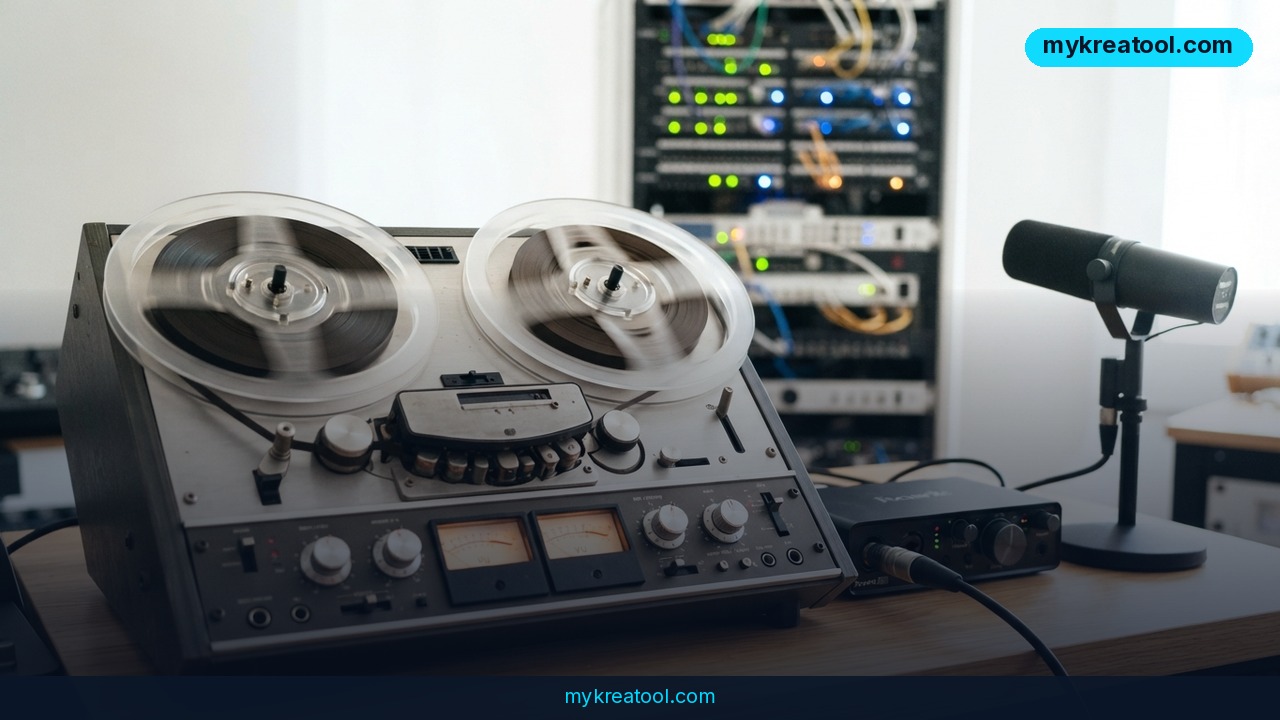
A new AI music generator called Grom Zvuk just launched, and it's aimed squarely at people who got burned when Suno, the popular AI song-maker, quietly killed off its older models (v4, v4.5, v5, and v5.5) earlier this summer. If you've used Suno, you know the frustration: the newer versions sound stiffer, less human, and you can't just swap out a line of lyrics in a track you already made without regenerating the whole thing from scratch. Grom Zvuk, built by the AI platform GPTunneL, was made specifically to fix both problems — and it launched on September 18 at roughly half the cost of comparable Western tools.
An AI music generator, if you're new to the concept, is software that writes and performs a song for you based on a text description or an existing track. You type something like "upbeat pop song about summer road trips" and it hands you back a finished, radio-ready track — vocals, instruments, mixing, all of it — in a couple of minutes.
What it means for you
This matters beyond music nerds and hobbyist producers. Here's where it actually shows up in daily life:
• At home: Make a personalized birthday song with your kid's name and inside jokes in the lyrics, in the exact genre they like, without hiring anyone.
• At work: Marketing teams can generate background music or jingles for ads and product videos without licensing stock tracks or waiting on a composer.
• Running a business: A small e-commerce brand can produce a signature audio logo or a full soundtrack for social media content, and change the genre later to match a rebrand — same lyrics, new sound.
• Studying: Teachers can turn a vocabulary list or historical timeline into a catchy song, which is a well-documented way to help material stick.
• Creative projects: Because Grom Zvuk can take a finished song and edit just one section — say, only the second verse — you can revise a track the way you'd edit a paragraph in a document, instead of starting over.
• Extra income: Independent creators can produce cover-style tracks (new lyrics over an existing melody and arrangement) for YouTube, TikTok, or client work, and get paid for turnaround speed since generation happens in one pass.
How to try it right now
You don't need any music or audio-editing background to test this.
1. Go to the GPTunneL platform, where Grom Zvuk is live now.
2. Type a short prompt describing the song you want — mood, genre, and topic are enough to start (for example, "melancholic indie ballad about missing someone").
3. Choose vocal or instrumental, and pick a language — the model sings in Russian, English, Chinese, Japanese, and others without sounding like it's mispronouncing the words.
4. Wait for the full track (up to 5 minutes long, with a 6-minute option in testing). Because the model generates the whole song in one continuous pass rather than stitching pieces together, there's no half-finished preview — you get the complete, mixed track at once.
5. If you already have a track you like, you can feed it back in and either rewrite the lyrics over the same melody (a cover) or keep the words and switch the entire musical style — turn a ballad into hard rock, for instance.
If you want to test the waters with free AI tools before spending anything on music generation, a site like mykreatool.com is a good place to try other no-cost AI tools first and get a feel for prompt-based generation before committing to a paid music platform.
Upsides and what changes
The headline change is cost: Grom Zvuk runs about half the price of comparable Western AI music tools, which matters if you're generating dozens of tracks for a content calendar rather than one song for a wedding. Audio quality is also a real step up on paper — output comes in 48kHz stereo with genuine stereo separation, not a compressed draft, and lossless export is reportedly coming soon.
The bigger practical shift is editability. Because the song exists as a structured "score" internally (the system separates composition — where verses, choruses, and bridges go — from the actual audio rendering), you can revise one section without regenerating everything else. That solves the single biggest complaint people have had with Suno-style tools: change one word, lose the whole track.
Grom Zvuk also applies noticeably lighter content moderation than Western competitors, which have been tightening restrictions around anything that resembles a known artist's style. That opens more room for parody, covers, and style experiments — though it also means more responsibility falls on you to use it ethically.
Limitations
Be realistic about what this is: an early-stage product from a smaller platform, not a mature, years-tested tool, so expect some rough edges — occasional odd phrasing in lyrics, imperfect mixing on complex arrangements, and features like lossless export still listed as "coming soon" rather than shipped. Lighter moderation also means the tool won't stop you from generating something that sounds a lot like a real artist, and using that commercially could run into copyright trouble regardless of what the platform allows — that risk sits with you, not the software.
Conclusion and one action for today
Grom Zvuk is a direct answer to the gap Suno left behind: cheaper, more editable, and built around full creative control rather than a locked black box. If you've got a song idea, a business that needs a jingle, or just curiosity about AI music, spend ten minutes today generating one test track on GPTunneL with a real prompt — genre, mood, topic — and see how close it gets to what you had in mind.


Comments 0