What happened
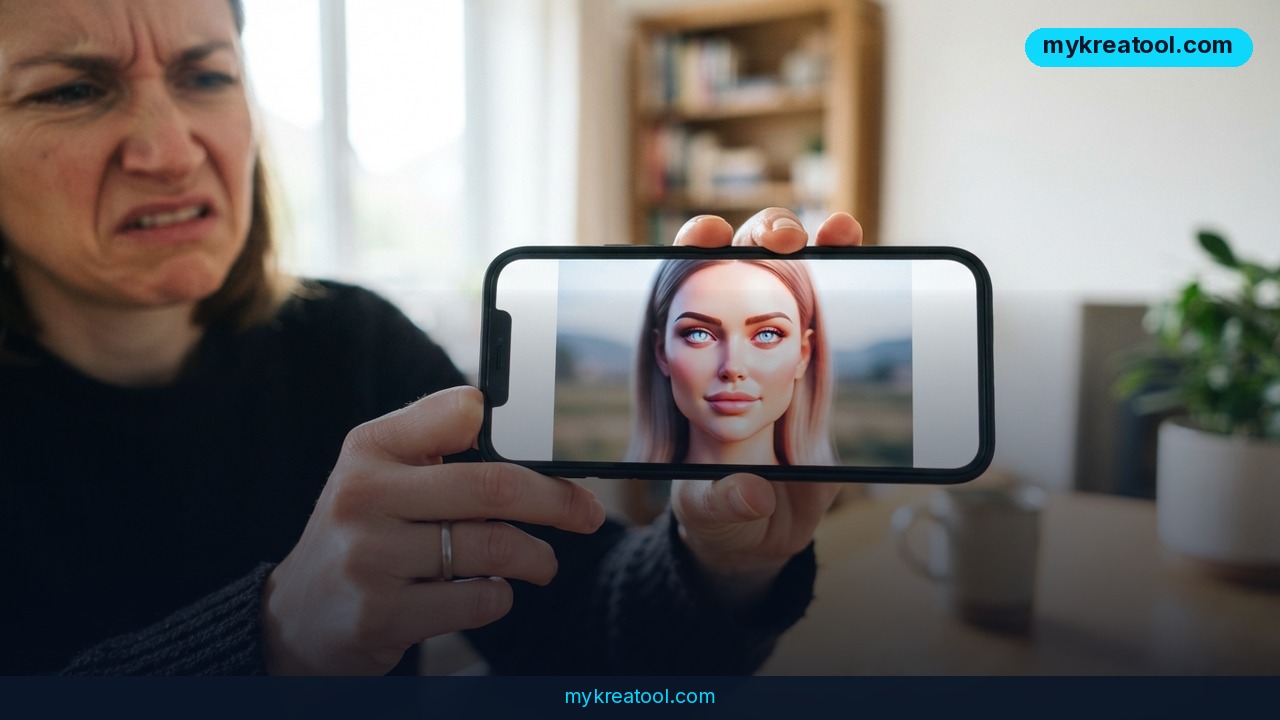
AI-generated images in blogs are becoming a trust problem, and a short, blunt post from developer Nelson Figueroa just made that impossible to ignore. His argument was simple: every time he opens a blog post and sees an obviously AI-generated illustration, he immediately questions whether the article text was written by a person at all. He said he'd rather see a rough Microsoft Paint doodle than a polished AI image, because at least the doodle proves a human being was involved. The post climbed to the front page of Hacker News, pulling in a wave of agreement in the comments from readers who said they'd started skipping articles the moment they spotted a telltale AI-generated header image.
What makes this notable isn't the opinion itself — plenty of people dislike AI art — it's who's saying it and where. Hacker News is a community of engineers, founders, and technical readers, exactly the audience most blogs are trying to win over with credibility and expertise. When that crowd says an image alone is enough to make them bounce, it's a signal worth taking seriously.
Why this particular post struck a nerve
Figueroa drew a clear line between corporate blogs, where AI imagery has become almost expected, and personal or indie blogs, where readers show up specifically for a human voice. Using AI art on a solo blog, he argued, breaks that unspoken contract.
Why it matters
The backlash against AI-generated images in blogs matters because it directly affects two things every publisher cares about: time on page and perceived authority. If a reader forms a snap judgment about your credibility from a thumbnail before they've read a single sentence, that judgment shapes how they read everything that follows — skeptically, or not at all.
There's also a compounding effect. Search engines and AI answer engines increasingly reward content that demonstrates real experience and originality — the E-E-A-T signals Google has leaned on for years. A generic AI illustration sitting above 1,500 words of genuinely useful writing sends a mixed signal to both humans and algorithms: it visually undercuts the very authenticity the text is trying to establish.
The scale of the shift
AI image tools like Midjourney, DALL-E, and Stable Diffusion now count their combined user base in the tens of millions, and stock-photo alternatives have made AI headers the path of least resistance for time-strapped bloggers. That convenience is precisely why the backlash is growing — readers are seeing the same recognizable AI-image style repeated across thousands of unrelated sites, and pattern recognition is kicking in fast.
How to use it today
If you publish a personal or niche blog, treat this as a practical checklist rather than a philosophical debate.
• Audit your last 10 posts. Count how many use a generic AI hero image versus a screenshot, photo, chart, or hand-drawn sketch. If AI images dominate, that's your first fix.
• Reserve AI imagery for utility, not decoration. Diagrams that explain a concept are fine; a stylized "person typing at a laptop with a lens flare" header is the kind of image readers are now actively rolling their eyes at.
• Use real screenshots and originals. A rough annotated screenshot of your own product, dashboard, or code editor signals authenticity instantly — no design skill required.
• Lean on free, fast tools for the boring stuff. You don't need AI art to save time; you need better defaults. Sites like mykreatool.com offer free AI tools for tasks like resizing, compressing, or converting images and simple graphics, so you can spend your creative effort on original visuals instead of generating filler art.
• When you do use AI, say so. A one-line caption crediting the tool costs nothing and heads off the trust question entirely.
A quick self-test
Before publishing, ask: if a reader saw this image without any context, would they assume a human made it? If the honest answer is no, swap it for something simpler.
Who benefits
Solo writers, indie hackers, and small newsletter authors stand to gain the most from ditching generic AI imagery, since their entire value proposition is a distinct human perspective — the opposite of anything that looks templated. Niche technical and B2B blogs benefit too: their audiences (often on Hacker News, Reddit, or LinkedIn) are unusually quick to notice and call out AI-generated visuals, so getting ahead of the trend protects reputation before it becomes a comment-section pile-on.
Editors and content managers at small teams also benefit from a clearer visual policy, since it removes an ambiguous judgment call from every writer's publishing checklist and replaces it with a simple rule: use real, original, or clearly-labeled visuals.
Where AI imagery still makes sense
Corporate marketing sites, ad creative, and large-scale content operations that never claimed to be a single voice in the first place face far less backlash — readers don't expect a Fortune 500 blog to be one person's handwriting.
Risks
The main risk of ignoring this trend is a slow, hard-to-diagnose decline in reader trust and return visits — the kind of drop that doesn't show up as a spike in any single metric but erodes engagement over months. There's also a brand-consistency risk: switching abruptly from AI images to none at all can look inconsistent if not paired with an actual plan, such as a simple photo or screenshot policy.
On the flip side, overcorrecting by refusing every form of AI assistance, including genuinely useful diagrams or accessibility-focused alt text generation, throws away real productivity gains over a purely optical concern. The goal isn't to reject AI tools outright; it's to stop using them in the one place — the hero image — where readers have decided they notice and mind.
Conclusion
The reaction to Nelson Figueroa's Hacker News post is a clear, current signal: AI-generated images in blogs are starting to cost writers the trust they're trying to build with words. For personal and niche blogs especially, swapping generic AI art for real screenshots, original sketches, or simply no image at all is a low-effort change with an outsized payoff in credibility. AI tools still have a place in a modern content workflow — just not as the first thing a skeptical reader sees.


Comments 0