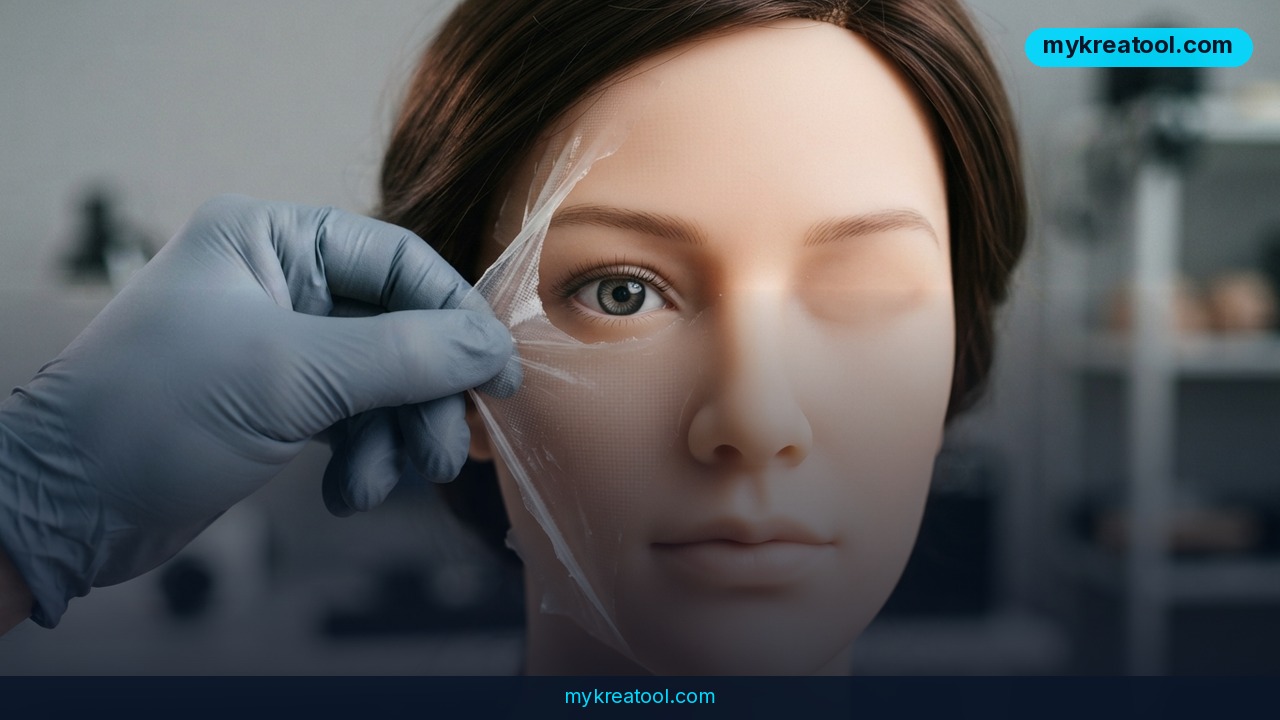
Instagram now automatically restricts the reach of AI influencer accounts that don't display the new "AI-generated profile" label. On August 31, 2026, the platform renamed its former "AI creator" tag and started enforcing it by default — unlabeled synthetic-persona profiles lose Reels and Explore reach for non-followers, Instagram's two biggest discovery channels.
What Are Instagram's New AI-Generated Profile Label Rules?
Instagram is cracking down on AI influencer accounts that pose as real people. The platform confirmed the policy on its creators blog: "They want to know when a profile features an AI-generated person." Any unlabeled profile Instagram identifies as AI-generated will have its reach limited — posts stop showing up in Reels and Explore for non-followers, which is where most new audience growth happens on the platform.
Instagram said the trigger was direct user feedback — people don't like seeing a profile that seems human, only to find out later that the person was completely AI-generated. The August 2026 change replaces the softer, opt-in "AI creator" label with a mandatory, auto-enforced "AI-generated profile" tag.
Which Accounts Must Add the AI-Generated Profile Label?
The policy targets a specific and growing category — fully synthetic "people" built to look and act human, like the well-known AI influencer Aitana Lopez, who has built a following while never existing in real life. Any account built around a fictional human face falls under the rule, regardless of how established or high-performing it already is.
Account owners who believe they were flagged incorrectly can appeal the decision, but the default posture is now automatic enforcement, not voluntary disclosure.
How Instagram Enforces the AI Influencer Policy
Enforcement is automatic: Instagram's detection systems flag accounts it identifies as AI-generated and immediately restrict their reach in Reels and Explore, without a manual report first. There's a real timing risk for account owners — the in-app appeal process runs after the throttling has already started, not before, so any account operating close to the line should assume enforcement, not a warning, is the first contact. See the full announcement coverage.
Does Using AI Tools for Captions or Thumbnails Require a Label?
Importantly, Instagram head Adam Mosseri's team drew a narrow line: creators who use AI tools to generate photos, video, captions, or thumbnails do not need to add any label. The rule applies only to profiles built around a synthetic persona presented as if it were a real human being.
AI-Assisted Workflows vs. Synthetic Personas: The Key Distinction
For years, AI-generated influencers operated in a gray zone. Some disclosed their nature openly; many didn't, and audiences had no reliable way to tell a real creator from a rendered one. That ambiguity fed a broader trust problem often described as "AI slop" — the flood of AI-made content posted without any signal of its origin. Instagram has explicitly said this update won't let users filter out AI-generated content across the board; it only targets fake-human personas, not AI-assisted posts from real creators.
That distinction is the whole point: an account run by a real person who uses AI tools for editing, captions, thumbnails, or voiceovers stays entirely outside this policy. Only a synthetic identity — an AI "person" standing in for a human — triggers the label requirement.
What Creators and Marketers Should Do Now
If you run or manage an Instagram account featuring an AI-generated persona, check your profile settings now and confirm the "AI-generated profile" label is applied — don't wait for Instagram to flag you and cut your distribution first. If you believe your account was mislabeled, use the in-app appeal option rather than assuming it will resolve itself.
Full action checklist for creators, marketers and agencies
For creators and marketers who use AI tools to speed up content production — captions, thumbnails, background edits, voiceovers — none of this requires disclosure under the new policy, since the rule is about synthetic identities, not AI-assisted workflows. That distinction is worth building into your content process now, before any future policy tightening blurs the line further.
Agencies managing multiple client accounts should audit their roster this week: any account built around a fictional human face needs the label added immediately, regardless of how established or high-performing it already is.
Brands vetting influencer partnerships should ask directly whether the persona is AI-generated and confirm the label is present before signing — a synthetic influencer with strong engagement numbers built before enforcement could see that reach evaporate overnight if the account doesn't add the label.
Who Benefits from Instagram's AI Disclosure Rules?
Real human creators are the most direct beneficiaries. As synthetic-persona accounts either add disclosure labels or lose reach, genuine creators competing for the same attention in Reels and Explore face less unlabeled synthetic competition. Everyday users also benefit from clearer signals about who — or what — they're actually following, which was the specific complaint Instagram cited as the reason for the change.
Brands and advertisers gain a cleaner picture too. Influencer marketing budgets depend on knowing whether an audience is engaging with a real person's judgment and taste or a fully generated character with no independent credibility. A labeled ecosystem makes that distinction visible before a partnership is signed, not after a campaign underperforms.
AI-generated accounts that disclose honestly also benefit in a subtler way: transparency becomes a differentiator rather than a liability, since audiences who choose to follow a known AI persona are opting in with full information.
Risks and Gaps in Instagram's AI Influencer Policy
The policy leaves real gaps. Instagram itself acknowledges this move won't let users filter out AI-generated content broadly — it only catches synthetic personas, not the much larger volume of AI-assisted posts from real accounts. Enforcement also depends on Instagram's own detection systems correctly identifying AI-generated people, which creates room for both false positives (real creators mistakenly flagged) and false negatives (well-disguised synthetic accounts that slip through undetected).
Why the reach-penalty mechanism matters more than the label itself
Reach penalties are the mechanism that actually moves creator behavior on Instagram — algorithmic visibility is the currency creators compete for. Losing access to Explore and non-follower Reels distribution cuts off cold discovery, the main way new accounts find an audience beyond people who already follow them. That's a real cost, not a symbolic one, which is why the label change functions as a distribution decision rather than a cosmetic disclosure requirement.
Conclusion
Instagram's shift from a soft "AI creator" tag to an enforced "AI-generated profile" label, backed by real reach penalties starting August 31, 2026, marks the platform's first serious attempt to separate human creators from synthetic ones at scale. It won't clean up AI slop broadly, but for anyone running or evaluating an AI influencer account, disclosure is no longer optional — it's now a distribution decision.
MyKreaTool tools that stay outside this policy
Since the rule targets synthetic personas, not AI-assisted production, tools that help a real, human-run account create content are unaffected. Auto-generate captions for short clips or remove and edit image backgrounds with AI — both keep your account squarely in the "AI-assisted, human-run" category the new rule leaves untouched. Browse the full MyKreaTool toolset for more AI-assisted, no-persona workflows.

Comments 0