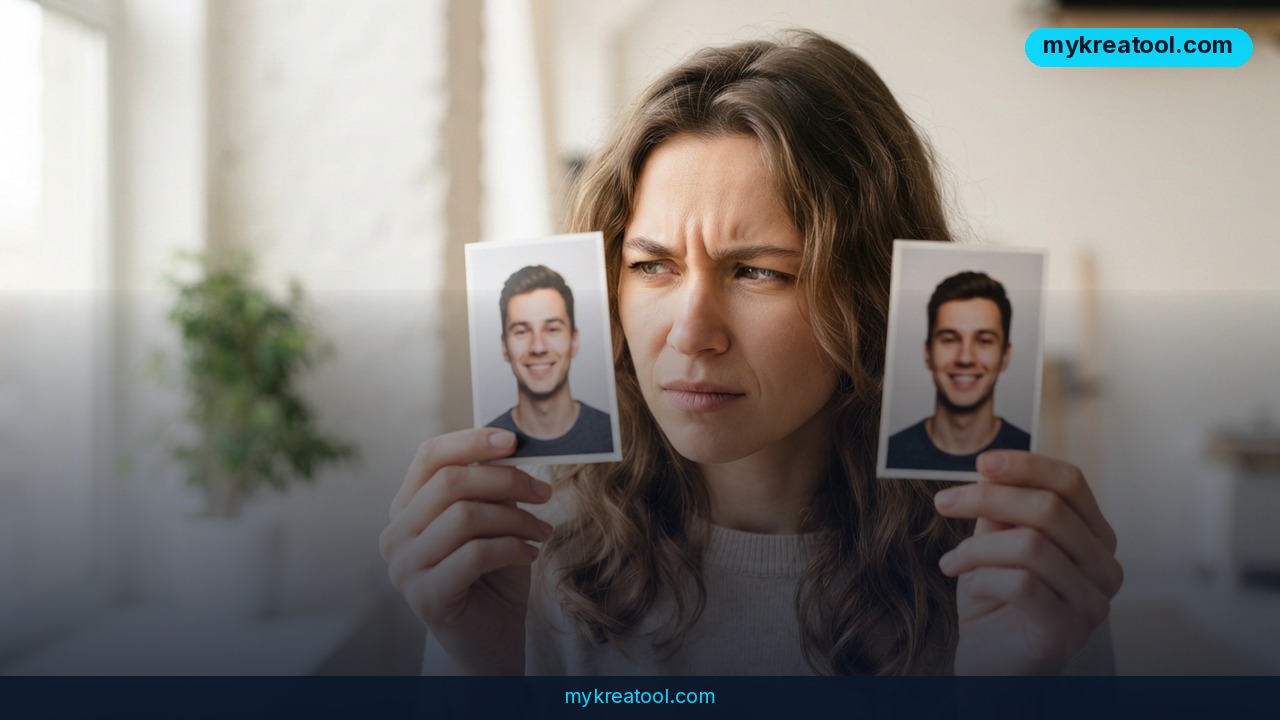
Instagram's new AI-generated profile label is mandatory for any account whose on-screen persona is fully synthetic — AI face, voice, or backstory. Meta announced the policy on August 31, 2026. Accounts that skip the label lose reach and fall out of recommendation systems immediately.
What Is Instagram's AI-Generated Profile Label?
Instagram just introduced a new AI-generated profile label, replacing the old "AI creator" tag that most users never noticed or understood. Meta stated on August 31, 2026: "people don't like seeing a profile that seems human, only to find out later that the person featured is AI-generated." That's a rare moment of a tech giant owning up to a problem it helped create: an app where you genuinely cannot tell who's real anymore.
AI Persona vs. AI Tools: Who Actually Needs the Label
The mechanics are simple but consequential. Any account built around a synthetic persona — face, voice, backstory, the whole package — now has to carry the label, or Meta will throttle its reach and recommendations. Accounts that get flagged without the tag can either add it themselves or appeal through Account Status. Creators who merely use AI tools to edit photos, write captions, or touch up video are exempt; the rule targets profiles where the "person" itself is fabricated, not people who use AI as part of their workflow.
Why Meta Replaced the Old "AI Creator" Tag
The previous "AI creator" label was optional in practice and buried in profile settings. Meta had floated a "coexistence" strategy back in late 2024, even launching official AI characters to normalize the idea of synthetic accounts living alongside real ones. That experiment quietly died. Two years later, the company is doing the opposite: making disclosure a condition for algorithmic visibility rather than a nice-to-have.
Why It Matters
Roughly 21 percent of YouTube Shorts are already AI-generated, according to recent estimates, and Instagram and Facebook are believed to be at least as saturated, if not worse. LinkedIn has its own well-documented flood of AI-written posts and comments. Beyond social platforms, about 35 percent of all newly published websites are now fully or partly AI-written — synthetic content isn't a fringe case anymore, it's a meaningful share of the feed on social media and the open web alike.
That matters because trust is the actual product social platforms sell. If users can't distinguish a real photographer's travel account from a fully generated persona, engagement built on that trust — likes, follows, purchases, brand deals — becomes unreliable. Meta's own admission that "people don't like" being fooled suggests this was measured through user complaints and churn, not just anticipated as a hypothetical.
How Instagram Enforces the Label: Reach Throttling Explained
What makes this label different from a badge is the enforcement: undisclosed AI profiles lose reach and recommendation priority. That's a direct hit to the discovery mechanics that drive growth on Instagram. For an account depending on the algorithm to find new followers, an unlabeled AI persona effectively gets deprioritized into obscurity — a much stronger deterrent than a label nobody clicks on.
How to Add or Appeal the AI Label on Instagram
If you run any account where the on-screen "person" is AI-generated — a virtual influencer, a synthetic spokesperson, a fully fabricated persona — check whether the new label has already been applied automatically or whether you need to add it via profile settings. If your account gets flagged incorrectly, or you believe it shouldn't require the label, the appeal path is Account Status inside the app.
For creators who use AI only as a production tool — generating backgrounds, upscaling video, drafting captions, cleaning up audio — nothing changes. You keep full reach and don't need to add anything, since the label targets fabricated identities, not fabricated assistance. It's worth documenting internally which of your accounts fall into which category before Meta's automated detection makes that call for you.
AI Tools for Real Creators: Stay Compliant on Instagram
If your workflow already leans on AI for image editing, background generation, or short video clips, it helps to use AI tools for creators built for that narrower job rather than an all-in-one "AI character" platform that risks tripping the new label. MyKreaTool lets you generate and edit visual assets for real accounts — including background generation without a synthetic persona — without creating a synthetic on-screen identity. Creators who also need to pull reference clips can use a YouTube video downloader as part of the same real-account workflow, useful for marketers who want AI in the toolkit without becoming an AI persona themselves.
Who Benefits — and Who Loses — Under the New Rules
Real creators are the clearest winners. Once obviously fake accounts are labeled and deprioritized, human-run profiles competing for the same attention get a fairer shot at recommendations. Brands and marketers also benefit: influencer partnerships carry less reputational risk once disclosure is enforced rather than optional, since a brand deal with an undisclosed AI persona is now a discoverable liability that can surface in due diligence or public scrutiny.
Users benefit most directly. A visible, consistently applied label means people can decide for themselves whether they want to follow, trust, or buy from a synthetic account — informed consent that was largely absent under the old opt-in system.
Accounts that were quietly profiting from ambiguity — synthetic personas built to look human for engagement or sales — lose the advantage of being indistinguishable from real people. Their reach drops the moment they're caught unlabeled, and appeals through Account Status won't reverse a case where the profile is, in fact, AI-generated.
Risks
Enforcement is the open question. Meta hasn't detailed how it detects an AI-generated profile versus a heavily filtered or stylized real person, which raises the possibility of false positives — real creators mistakenly flagged and throttled, then forced into an appeals queue. There's also no public data yet on how consistently the label is applied at Instagram's scale, especially against motivated bad actors who will keep testing evasion tactics.
And this fix only covers Instagram. With AI content saturating YouTube Shorts, LinkedIn, and a growing share of the open web, a single platform's labeling policy addresses one symptom of a much broader trust problem in online content, not the whole thing.
Conclusion
Instagram's shift from an optional AI tag to an enforced AI-generated profile label is a direct response to a stat Meta itself surfaced: users can't tell the difference, and they resent finding out after the fact. With undisclosed accounts now facing throttled reach, the incentive to disclose is finally real. For creators and marketers, the safest path is using AI as a tool for content, not as a substitute for an actual, disclosed identity.


Comments 0