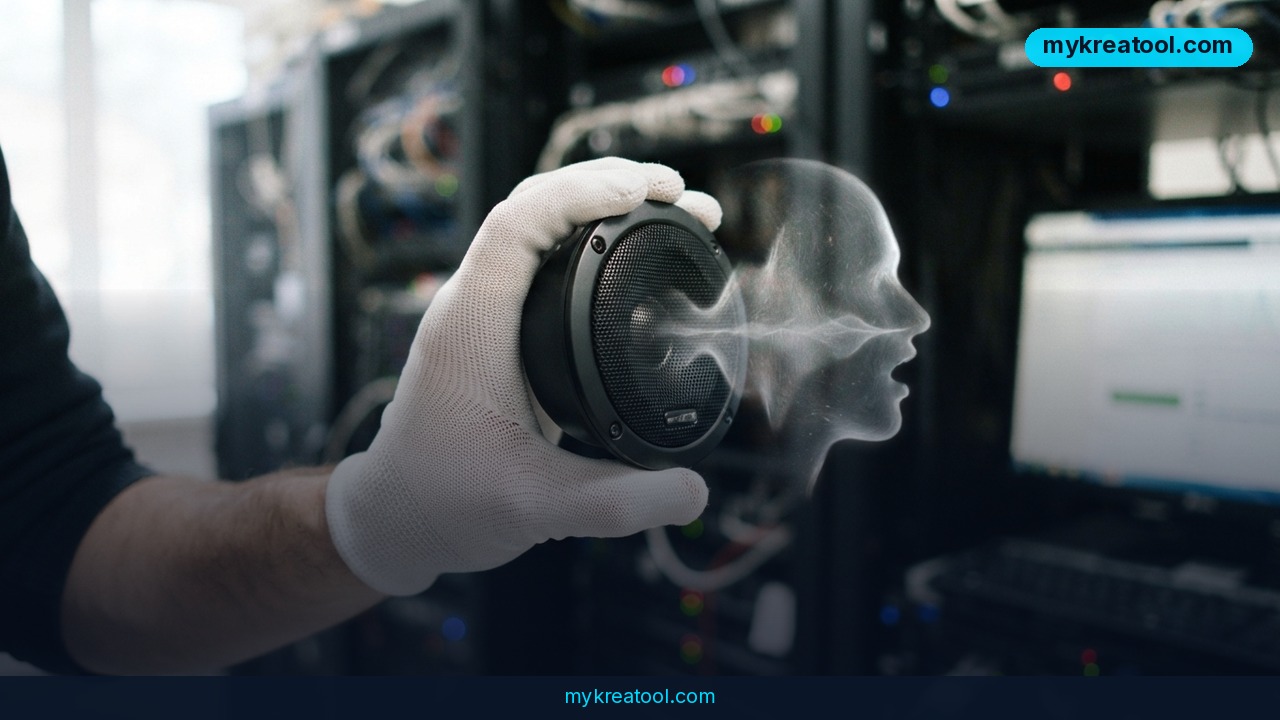
What happened
A Russian AI voice clip is making the rounds after a Reddit user posted a dubbed video and asked a simple question: what tool made this, and is it even AI? The post, shared in r/artificial on November 15, 2025, links to a YouTube video where the Russian-language dub sounds smoother and more natural than typical text-to-speech output — smooth enough that commenters immediately compared it to ElevenLabs, the U.S. startup that has dominated AI voice cloning since 2022 with over 30 million users and a valuation north of $3 billion.
No one in the thread could definitively name the tool. That uncertainty is itself the story: it shows how hard it has become to eyeball the difference between a human voice actor, a cloned voice, and a fully synthetic one. Candidates floated in the comments ranged from Russian-built systems like Yandex SpeechKit and Sber's SaluteSpeech to lesser-known open-source models fine-tuned on Russian speech data, plus the possibility that it was simply a skilled human dubbing artist.
Why the confusion matters
Russian-language voice AI has quietly matured over the past two years, partly because sanctions cut off easy access to Western tools like ElevenLabs for some users and companies, pushing local developers to build competitive alternatives. Yandex, Sber, and several smaller labs have all shipped Russian TTS and voice-cloning models since 2023, and open-source projects trained on Russian datasets have narrowed the gap with commercial leaders.
Why it matters
For years, ElevenLabs has been the default answer whenever someone asks "how did they make that voice sound so real?" It popularized voice cloning from just a few seconds of audio and expanded to over 30 languages. A viral clip that even skeptical, technically literate Redditors can't confidently attribute to a known tool suggests the quality gap between top-tier voice AI systems is shrinking fast — and that non-English models are catching up faster than most people assumed.
This matters commercially too. Dubbing and localization is one of the biggest use cases for AI voice: film studios, YouTubers, and e-learning platforms all want cheaper, faster foreign-language versions of their content. If a Russian or open-source tool can match ElevenLabs-level naturalness at a lower price point, it changes the competitive landscape for every company selling AI dubbing as a service.
The bigger trend
Voice AI parity across languages was a real weak point until recently — English models improved first, while Slavic, Arabic, and tonal languages lagged in prosody and emotion. Threads like this one are early evidence that the lag is closing, which matters for any business planning multilingual content at scale.
How to use it today
You don't need to identify the exact tool in the viral video to benefit from where AI voice tech is right now. Practical steps:
• Test multiple tools on the same script. Run identical text through ElevenLabs, Yandex SpeechKit, and any open-source model you can access, then compare naturalness, pacing, and emotional tone side by side.
• Check language-specific quality separately. A tool that sounds flawless in English may be mediocre in Russian, Spanish, or Hindi — always benchmark in your target language, not just the demo language.
• Start with free tools before committing to a paid plan. For quick experiments with AI voice, script, and dubbing workflows, a lightweight option like the free tools at mykreatool.com lets you prototype before paying for enterprise-tier subscriptions.
• Watch pricing shifts. As Russian and open-source alternatives improve, expect ElevenLabs and competitors like Play.ht and Murf to adjust pricing or release higher-fidelity tiers to stay competitive.
Practical workflow
A reasonable rollout looks like: draft the script, dub a 30-second test clip in two or three tools, get native-speaker feedback on naturalness, then lock in the tool for the full project. This avoids committing budget to a platform before confirming it actually sounds right in the language you need.
Who benefits
Content creators, dubbing studios, and marketers running international campaigns stand to gain the most. Anyone producing YouTube videos, e-learning courses, or ads for Russian-speaking markets (over 250 million speakers globally) now has more competitive options instead of defaulting to a single Western vendor. Indie creators benefit from lower costs if regional tools undercut ElevenLabs pricing, while agencies gain leverage to negotiate better rates across providers.
Developers and startups building voice products also benefit indirectly: rising quality in regional models signals that the underlying research (better prosody modeling, faster inference, smaller training datasets) is diffusing beyond a handful of English-first labs.
Risks
The obvious risk is provenance. If a voice this convincing can't be confidently attributed even by an informed community, it becomes trivial to fake speech from real people without consent — a serious concern for scams, political disinformation, and impersonation. Deepfake voice fraud has already cost businesses millions in reported incidents since 2023, and better regional models only widen the pool of people who could be targeted or impersonated.
There's also a verification problem for viewers: without clear labeling standards, audiences can't easily tell dubbed AI speech from an original human recording. Platforms and creators using these tools should disclose AI voice usage, and businesses evaluating new voice tools should confirm licensing terms, consent requirements for voice cloning, and data privacy practices before adopting any unfamiliar platform.
Conclusion
Whether the clip that started this debate used ElevenLabs, a Russian competitor, or a human voice actor may never be fully confirmed — but the fact that no one could tell at a glance is the real signal. AI voice quality across languages, especially Russian, is closing in on the best commercial tools faster than expected, which is good news for creators and marketers looking for cheaper, faster dubbing options, and a fresh reminder to verify sources before trusting any voice you hear online.
Comments 0