What happened
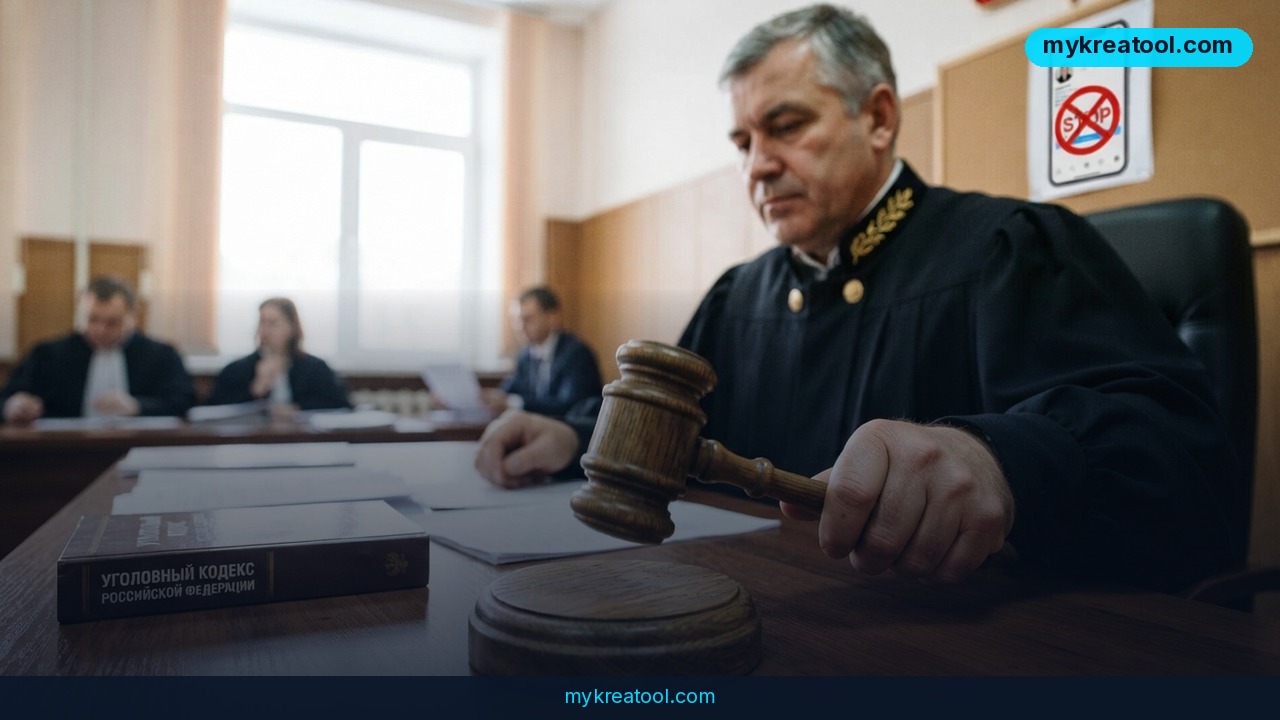
The Minnesota nudify app ban is now officially in effect after a federal judge refused to block it, making Minnesota the first US state to outlaw AI tools that digitally strip clothing from photos without consent. U.S. District Judge Donovan Frank denied a request from Elon Musk's AI company xAI to pause the law with a temporary restraining order, allowing the ban to take effect on August 1, 2026, as scheduled.
What's notable is that Frank's ruling leaned heavily on timing rather than the merits of the law itself. xAI filed its emergency motion on July 29, 2026 — almost three months after Minnesota's governor signed the bill, and just three days before it was set to become enforceable. "Such a delay in bringing the action and the motion suggests that harm is not immediate," Frank wrote in his decision.
Importantly, this isn't the end of the legal fight. xAI's broader lawsuit against Minnesota is still moving through the courts. The company argues the law is "overinclusive" and that "far less restrictive alternatives" could achieve the same protective goal without banning entire categories of AI image tools. For now, though, the law stands, and Minnesota residents have new legal protection against a category of apps that has spread rapidly over the past two years.
Why it matters
Nudify apps use generative AI to create fake nude or sexualized images of real people from ordinary photos, almost always without the subject's knowledge or consent. Reports of these tools targeting classmates, coworkers, and public figures have surged since 2024, and lawmakers across the country have struggled to keep pace with the technology.
This case has extra weight because of who is involved. Earlier in 2026, users on X — owned by the same corporate family as xAI, both now under SpaceX — exploited the Grok chatbot to mass-produce non-consensual sexualized images on the platform. That episode triggered investigations from regulators and led several countries to restrict or ban Grok's image features. The Minnesota ruling arrives against that backdrop, putting a spotlight on whether AI companies can be compelled to build in restrictions, or whether they can rely on First Amendment and overbreadth arguments to keep operating with fewer limits.
Because Minnesota's law is the first of its kind, its survival — even temporarily — signals to other state legislatures that similar bans are legally viable. Expect copycat bills in other states within the next legislative cycle, especially given how difficult it has proven to regulate this technology at the federal level.
Minnesota is also not acting alone. Texas and California have already passed laws aimed at the operators of nudification services, while Florida and Utah require platforms to take down non-consensual intimate images on request. At the federal level, the TAKE IT DOWN Act has applied to online platforms since 19 May 2026: covered services must run a notice-and-removal process and delete reported material, including copies, within 48 hours. Minnesota's own penalty is steep — civil penalties of up to $500,000 per violation under HF 1606.
How to use it today
For everyday users, the practical takeaway is straightforward: distributing or creating nudify content targeting a Minnesota resident is now a violation of state law, with real legal exposure for both app operators and individual users who generate this material. If you or someone you know has been targeted, Minnesota's attorney general office and local law enforcement now have a statutory basis to act, rather than relying solely on platform policies or federal statutes like the STOP CSAM Act framework.
For creators, marketers, and small businesses working with AI image tools more broadly, this is also a good moment to double-check that any generative tools you rely on operate within clear consent and safety guardrails. If you need legitimate AI image or content tools for marketing, design, or product work, sites like mykreatool.com offer free AI tools built around consensual, business-appropriate use cases — a safer route than experimenting with unregulated apps whose legal status is now actively being litigated state by state.
Businesses operating AI products should also treat this ruling as an early warning. If your product or platform allows user-generated image manipulation, now is the time to review consent mechanisms, age verification, and content moderation policies before more states pass similar legislation.
Who benefits
The most obvious beneficiaries are individuals — disproportionately women and minors — who have been targeted by non-consensual AI-generated imagery. Advocacy groups focused on digital privacy and image-based abuse have pushed for laws like this one for years, and Minnesota's ban gives them a concrete legal precedent to point to.
State lawmakers in other jurisdictions also benefit, since they now have a tested legal framework to model new legislation on, along with an early court ruling suggesting these bans can survive initial legal challenges. Legitimate AI companies that build responsible, consent-based image tools stand to benefit too, as regulatory clarity around nudify apps helps distinguish compliant products from the ones now facing bans and lawsuits.
Risks
The biggest open risk is that this ruling is procedural, not final. Judge Frank's decision focused on the timing of xAI's request, not a full ruling on whether the law itself is constitutional. That means the underlying lawsuit could still succeed, potentially striking down or narrowing the ban months from now. Businesses and platforms shouldn't treat this as a permanently settled legal question.
There's also a real risk of overreach. xAI's core argument — that the law is "overinclusive" — echoes a common concern in tech regulation: broad bans can sweep in legitimate AI photo-editing tools alongside genuinely harmful nudify apps, creating compliance headaches for unrelated businesses. Vague statutory language could also make enforcement inconsistent, particularly for smaller developers who lack the legal resources xAI has to fight back.
Finally, state-by-state regulation without a federal standard creates a patchwork of rules that's hard for any AI company, large or small, to navigate consistently across the country.
Conclusion
Minnesota's nudify app ban is now the first enforceable law of its kind in the United States, and it survived its first legal test largely because xAI waited too long to challenge it. The underlying lawsuit is far from over, but the ruling already sends a clear signal: states are willing to act on AI-generated non-consensual imagery, and courts are willing to let those laws take effect while litigation plays out. For creators and businesses building with AI, the message is equally clear — consent and safety guardrails aren't optional extras anymore, they're becoming legal requirements.

Comments 0