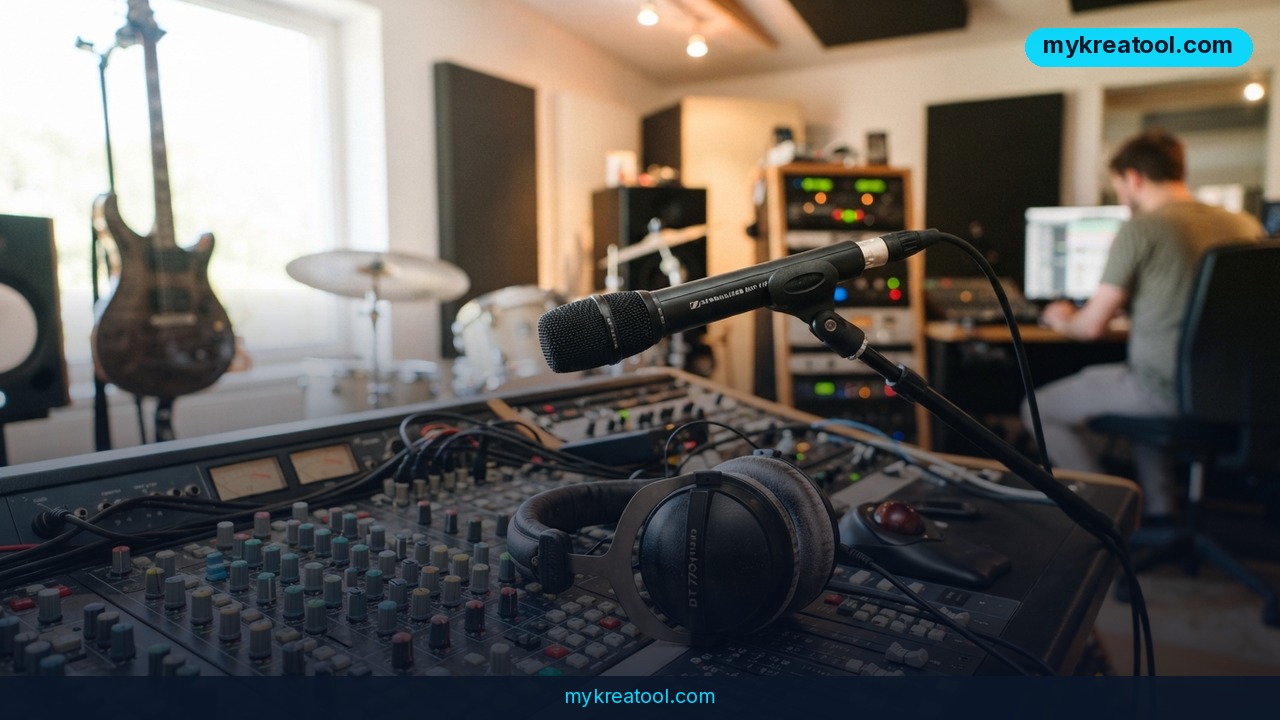
Suno v6, the newest generation of the platform's AI music generator, is live — and it's the first version the company built side by side with record labels: Warner Music Group, BMG and Believe. There's no gentle fade-out for the old stuff either. Every previous model was retired at the September 9 launch, and the whole platform now runs on three new engines. Here's what actually changed, who gets which model, and how to try it without paying a cent.
What happened
CEO and cofounder Mikey Shulman announced the release in a blog post. His pitch: v6 is faster, more expressive and higher quality than its predecessors. Suno isn't running old and new models in parallel — it pulled the older generation entirely and moved the platform onto v6 in one go.
For context, v5 landed in September 2025, and v5.5 — the interim update that added voice cloning — arrived in March. Both are gone from the picker now, which means any workflow you'd built around them needs a quick rethink.
Three models: polished, wild and free
Suno split the launch into three engines, and the names tell you most of what you need to know.
• v6 is the flagship, limited to paying Pro and Premier subscribers. Suno says it turns out reliably polished music across every genre — the version you reach for when a track has to be finished, not just fun to make.
• v6-wild is also subscriber-only, but built for experimentation. Suno describes it as less predictable, with unexpected, texture-rich results that work best as raw material you shape afterwards.
• v6-mini is free for everyone. Suno claims it's faster and more efficient than any other free model on a music platform — a bold claim, and an easy one for you to test this afternoon.
The model picker keeps all three visually separate, so you won't accidentally burn a polished generation when you just wanted to noodle.
All three understand more musical building blocks than before: vocals, instrumentation, song structure, mood and references.
Editing one lyric line instead of re-recording the song
The headline feature here isn't sound quality — it's control. With v6 you can change one part of an existing track by typing a command and leave everything else untouched. Want just the chorus sung by a gospel choir? Ask for that. The verses stay exactly as they were.
Think of it less like a magic "make me a song" button and more like a mixing desk where you describe the change in plain words. You can also mash up pieces from different sources in a single request — vocals from one track, drums from another, new lyrics in an '80s synthwave style — and get one finished song back.
v6 is multimodal, meaning it takes more than text. Feed it a voice recording, an image or a video and it turns that into a song from a single prompt. You can isolate a sample and build a new beat on top of it, or start from a mood, a genre, or a mix of inspirations. Individual lyric lines can be rewritten without regenerating the whole track.
What Suno still won't say about its training data
Here's the part the announcement doesn't cover. Suno calls Warner, BMG and Believe "codevelopers" of v6 but won't say which catalogs were used or how much material went in.
That silence is deliberate. Suno asked the US District Court in Massachusetts to keep the exact size of its training data under seal, arguing that competitors could infer its development approach from the numbers. The safeguards it does talk about were announced back in August: dropping artist names from training metadata, checking uploaded audio and lyrics for unauthorised use, and a download policy aimed at blocking mass distribution of songs on streaming platforms.
Warner settled. Universal and Sony are still suing.
The partnerships are the real story. Warner Music Group is now a partner after a settlement, and BMG and Believe are on board too. Universal and Sony, meanwhile, are still suing the company. So you've got a platform that is simultaneously collaborating with one chunk of the industry and defending itself against another.
Two practical follow-ons matter for anyone who wants to earn money from this: Suno says it's planning offerings built around individual artists, who choose whether to take part and get paid if they do, and songs made with the partner model will be distributable through Believe and TuneCore going forward.
What it means for you
You don't need to make music for a living for any of this to matter. The shift is that "I need a song" is now a five-minute errand rather than a project with a budget attached.
At home: a birthday song built from a photo
Upload a picture of the birthday girl and a prompt like "warm acoustic folk, playful, name-check her dog" and v6-mini will hand you something usable for the group chat. No software, no loops, no learning curve.
At work: background music nobody has to license
Marketing teams spend silly money on stock audio. Now a 30-second loop for a product video or a podcast intro is a prompt away, and you can ask for one change — say, a softer ending — without redoing the whole thing. If you want to compare it against other free tools first, mykreatool.com keeps a directory of free AI tools worth a look.
For a small business: a jingle you can actually use
A café, gym or Etsy shop can generate a short branded jingle, test three moods in ten minutes, and — thanks to the Believe and TuneCore distribution path — push a finished track out rather than keeping it stuck on a laptop.
For study: turn your notes into something you can hum
Students and language learners have been doing this with old models for a year. v6 makes it less fiddly: drop in your revision notes, pick a genre, and regenerate a single line that scans badly instead of rebuilding the entire track.
For creative projects: remix without a DAW
Filmmakers and game hobbyists can take a mood board image or a phone video and get a score from it. Mashups — vocals from one idea, drums from another, new lyrics in a specific style — happen in one request instead of an afternoon in a digital audio workstation.
As income: faster drafts that clients can hear
Freelance composers and YouTubers get rough drafts in minutes, which changes the conversation from "imagine this" to "here, listen." The wild model is genuinely useful here: imperfect, weird takes are often better starting points than something already smoothed flat.
How to try it right now
Free route first. The tool is Suno.
1. Sign up free at Suno — no card needed to start.
2. Open the model picker and choose v6-mini. This is the free engine, and it's the one to test before you spend anything.
3. Write one specific prompt: genre, mood, instruments, tempo, and what the song is about. "Moody lo-fi hip-hop, dusty drums, rainy Sunday, no vocals" beats "good song" every time.
4. Or skip text entirely. Upload a photo or a short video and let v6-mini turn it into a track from a single prompt.
5. Fix one thing at a time. Ask for a different chorus or a rewritten lyric line — the rest of the song stays put. This is where v6 saves the most time.
6. Try a mashup: vocals from one generation, drums from another, new lyrics in a style you name.
7. Upgrade only when you hit a wall. Pro or Premier unlocks the flagship v6 and the experimental v6-wild — worth it when you need a finished, polished track rather than a sketch.
Upsides and what changes
• One generation, everywhere. No more juggling four model versions with different quirks — everything you make now shares the same musical vocabulary.
• The free tier stopped being a demo. v6-mini being genuinely fast means the paywall is about polish, not access.
• Text edits kill the re-roll loop. Nudging one line instead of regenerating a whole song is the difference between five minutes and fifty.
• Labels are inside the tent. Warner, BMG and Believe as partners, plus a distribution path through Believe and TuneCore, is a bigger deal for anyone selling music than any quality bump.
• Multimodal input lowers the floor. A photo or a video is now a legitimate starting point, which suits people who think visually rather than lyrically.
Limitations
Be clear-eyed about three things. First, Suno still won't disclose what v6 was trained on, so if rights matter to your project, you're taking the company's safeguards on trust rather than on evidence — and Universal and Sony are still in court over exactly this. Second, the artist-centred offerings are announced, not shipped, and songs made with the partner model are the ones with the clean distribution path; that distinction will matter later. Third, text-command editing is powerful but not a scalpel — it responds to how you describe things, so vagueness still gets you vagueness, and v6-wild is deliberately unpredictable. Add in the download policy against mass distribution on streaming platforms, and anyone planning to flood Spotify with generated tracks should recalibrate now rather than after a takedown.
Conclusion
The v6 launch is less about prettier songs and more about Suno turning a clever toy into something with paperwork behind it: label partners, safeguards, a distribution route and a free tier that's actually worth using. The control features — editing one line, remixing sources, starting from an image — are what will change how people work day to day.
One action for today: open Suno, switch the model picker to v6-mini, and make one 30-second track from a photo on your phone. It takes about five minutes, costs nothing, and you'll know immediately whether this belongs in your workflow.

Comments 0